

Dementia-Friendly Hobbies for Seniors at Home
Table of Contents
- 1. Puzzles and Matching Games for Dementia-Friendly Engagement
- 2. Easy Games for Seniors with Dementia
- 3. Crafts for Seniors with Dementia
- 4. Sensory Activities for Dementia
- 5. Reminiscence and Memory-Based Hobbies
- 6. Dementia Activities for Different Stages
- 7. Building a Realistic Weekly Activity Plan
- Frequently Asked Questions
Last Updated: October 6, 2026
1. Puzzles and Matching Games for Dementia-Friendly Engagement
Puzzles are among the most accessible dementia friendly hobbies for seniors at home, engaging the mind without demanding memory or speed and letting older adults work at their own pace.
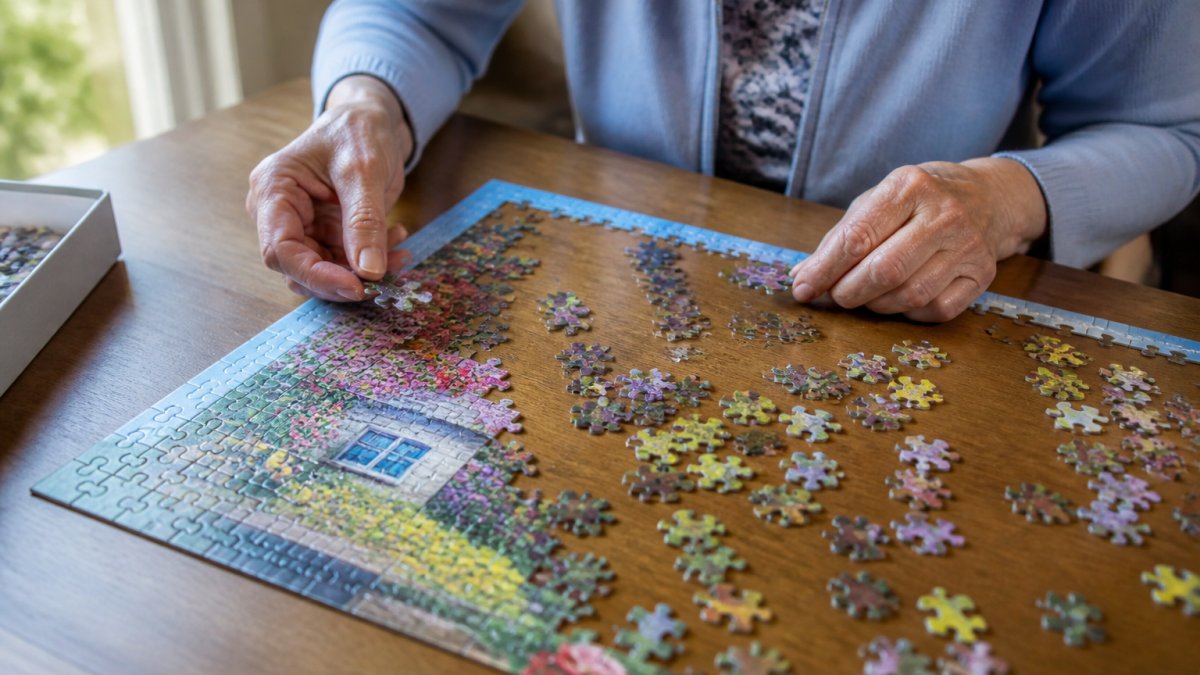
The beauty of puzzles lies in their flexibility: a 500-piece puzzle might take weeks or an afternoon, and the timeline doesn't matter.
(/products/1000-pce-australiana-puzzle-apostles-at-sunset) range from Remember When Shop, such as the [1000 PCE AUSTRALIANA PUZZLE - APOSTLES AT SUNSET](https://rememberwhenshop.com.au/products/1000-pce-australiana-puzzle-apostles-at-sunset) at $19.99, combines this therapeutic benefit with the added emotional layer of familiar Australian landmarks.Choosing the right difficulty level
Difficulty matters more than you might think. A 1,500-piece puzzle will frustrate someone with moderate dementia; a 300-piece puzzle may feel too simple. The sweet spot is usually 500-750 pieces, though this varies.
Matching games offer a simpler alternative. Colour-matching cards, simple dominoes, or even a homemade matching game using family photos can deliver the same cognitive engagement without the frustration of fitting pieces together.
2. Easy Games for Seniors with Dementia
Games for seniors with dementia share one critical feature: no memory requirement and simple, consistent rules. The goal is engagement and enjoyment, not winning.
Card games and colour matching
Card games like Snap, Go Fish, or simple rummy work well because the rules stay the same throughout play, with no need to remember previous rounds or complex strategy. Snap is particularly good: fast-paced enough to stay engaging without sustained concentration.
Colour-matching games are even simpler. You can buy basic matching card sets, or make your own using coloured paper or printed images. The activity is purely visual: find the matching pair, set it aside, repeat.
Setting up simple games at home
The environment matters as much as the game. Choose a quiet, well-lit table, turn off the television, put phones away, and have the game set up before your relative sits down.
Keep sessions short, 15-30 minutes is often ideal, and watch for fatigue or frustration. Some days they'll play three times; other days, once is enough.
For carers in aged care facilities running group games, rotate between card games, dominoes, and simple board games.
3. Crafts for Seniors with Dementia
Crafts are among the most therapeutic dementia friendly hobbies because they produce something tangible. Unlike puzzles or games, they leave a finished object that can be displayed, gifted, or admired, providing lasting satisfaction.
Low-pressure creative projects
The key is removing the pressure to "do it right." Colouring books, painting with large brushes, or collages from magazine clippings are ideal because there's no correct outcome, an abstract watercolour is as valid as a realistic one, and a collage is complete the moment your relative decides it is.
Other accessible crafts include:
- Decorating greeting cards: Gluing stickers, drawing simple designs, or pressing flowers onto blank cards
- Simple clay work: Hand-modelling clay into shapes without the need for a pottery wheel or kiln
- Picture frames: Decorating cardboard or wooden frames with paint, markers, or collage materials
- Scrapbooking: Arranging old family photos with captions or decorative elements
These activities work because they're self-directed. There's no "finish line" beyond what feels complete to the person doing the craft.
Materials and preparation
Gather supplies beforehand and set everything out before starting. Use washable, non-toxic materials: large brushes, chunky markers, and thick crayons are easier to handle than fine-tipped pens.
Cover the table with newspaper or a plastic sheet, messy is part of the fun, and keep wet wipes or a damp cloth nearby for hands.
The process is the goal, not the product: 45 minutes painting one watercolour is a successful activity regardless of how it looks.
4. Sensory Activities for Dementia
Sensory activities engage the senses directly, touch, sound, smell, sight, movement, without demanding cognitive effort. They're particularly valuable for seniors with advanced dementia, where verbal communication may be limited but sensory response remains strong.
Music, movement and touch-based activities
Music is one of the most powerful sensory tools.
Movement activities like gentle cardio drumming (tapping along to music) or balloon volleyball combine music with physical activity. They require no coordination or competition, just rhythmic, joyful movement.
Touch-based activities are equally important.
Outdoor activities, feeling the breeze, listening to birds, watching water, are free sensory experiences that many older adults find deeply restorative.
5. Reminiscence and Memory-Based Hobbies
Reminiscence therapy, recalling and discussing past memories, is widely used by carers and healthcare professionals working with dementia. It's not about testing memory; it's about enjoying the process of remembering together.
Family photos and conversation starters
Looking through family photo albums is one of the most accessible reminiscence activities. Don't ask "Do you remember this?", simply sit together and let the images prompt natural conversation.
Books like *Australia Remember When* by Bob Byrne can serve a similar purpose.

You can also create a simple memory box: gather objects, photos, or newspaper clippings from your relative's past and store them in a box.
1000 PCE AUSTRALIANA PUZZLE - APOSTLES AT SUNSET →
Nostalgic books and storytelling
Beyond photo books, reading aloud from newspapers, magazines, or books from your relative's youth can be deeply engaging.
Consider decade-specific books like Photos and Memories of Australia from the 1950s by Bob Byrne ($29.99), which combines images with short narratives about daily life. These books invite browsing rather than cover-to-cover reading, making them perfect for short, repeated visits.
6. Dementia Activities for Different Stages
Not all activities suit all stages of dementia. What engages someone in early-stage dementia may frustrate them in moderate or advanced stages. Matching activities to ability level is essential for maintaining engagement and preventing distress.
Early-stage dementia: independence and engagement
In early-stage dementia, seniors often retain significant independence and cognitive ability. They may struggle with memory but still enjoy complex hobbies, so encourage gentle mental challenges: crossword puzzles, reading, learning something new, or a familiar hobby at a slower pace.
Puzzles with 1,000 pieces, strategy games with simple rules, and activities that require problem-solving all work well. The key is choosing activities your relative enjoyed before diagnosis, gardening, woodworking, cooking, or craft projects, and adapting them as needed.
Moderate dementia: supervision and adaptation
As dementia progresses, supervision becomes necessary and activities need simplification. This is where matching games, painting, sensory activities, and reminiscence become most valuable.
Safety becomes important: use safety scissors and non-toxic paints, and remove small pieces that could be swallowed. Supervise without hovering, your presence is reassuring, but your relative should feel as independent as possible.
Advanced dementia: comfort and connection
In advanced stages, the goal shifts from cognitive engagement to comfort and connection. Sensory activities, music, gentle touch, familiar scents, outdoor time, become primary. Your relative may not speak, but can still respond to a familiar song, a hand massage, or a beloved family photo.
At this stage, the activity is less important than your presence. Sitting together quietly, holding hands, listening to music, or looking at photos is enough; the comfort of your company matters more than doing the activity "correctly."
7. Building a Realistic Weekly Activity Plan
A sustainable routine balances variety with familiarity: too much change causes confusion, too much repetition breeds boredom. Most carers find a loose weekly plan, rather than a rigid schedule, works best.
Balancing variety with familiar routines
A realistic weekly plan might look like this:
| Day | Morning Activity | Afternoon Activity |
|---|---|---|
| Monday | Puzzle (30 mins) | Music or sensory activity |
| Tuesday | Card game or matching activity | Family photo browsing |
| Wednesday | Craft project (painting or collage) | Outdoor time or walking |
| Thursday | Puzzle or familiar hobby | Reminiscence book or storytelling |
| Friday | Game or social activity | Music and movement |
| Saturday | Flexible, follow your relative's mood | Flexible, follow your relative's mood |
| Sunday | Family time, visiting, or quiet time | Flexible |
The activities repeat, but not rigidly. Repetition is comforting; your relative may look forward to "puzzle day" without needing to remember the day's name.
Keep sessions short, 20 to 45 minutes is often ideal, and flexible. If your relative is engaged, continue. If they're tired or frustrated, stop without guilt. Some days they'll want multiple activities; other days, one is plenty.
What to do when an activity causes frustration
Frustration signals the activity isn't working at that moment. Stop immediately, don't push, explain, or try to convince your relative to continue.
Common frustration triggers include:
- Difficulty too high: The puzzle has too many pieces, the game rules are too complex, or the craft requires fine motor skills your relative no longer has
- Fatigue: Your relative is tired, hungry, or overstimulated
- Loss of interest: They've done this activity too many times recently
- Environmental factors: The room is too noisy, too bright, too cold, or too crowded
When frustration occurs, pause, offer comfort (a drink, a rest, a change of scenery), and try again another time.
Keep a simple log if it helps: note which activities went well and which caused frustration, and notice patterns.
At Remember When Shop, we know how the right activity, particularly one that connects to cherished memories, can transform a carer's day and a senior's wellbeing. Whether it's working through a 1,000-piece Australiana puzzle like the 1000 PCE AUSTRALIANA PUZZLE - KOOKABURRA BUSHLAND CHORUS ($19.99) or browsing Melbourne Remember When by Bob Byrne ($34.99), these tools create moments of engagement and connection.

The goal of any dementia friendly hobby is simple: comfort, engagement, and joy in the present moment.
Dementia Australia's activity guidance for carers emphasises that engagement should be tailored to individual interests and abilities. The Alzheimer's Society's resources on meaningful activities similarly highlights the importance of matching hobbies to stage and preference.
Frequently Asked Questions
What are the best dementia-friendly hobbies for someone at home?
The best dementia-friendly hobbies match the person's interests, abilities and stage of dementia. Puzzles, card games, crafts, music, reminiscence activities with family photos, and simple household tasks all work well. Start with activities the person enjoyed before their diagnosis, familiar hobbies feel less frustrating. Books like Australia Remember When spark conversation and memory recall. Keep sessions short (30-45 minutes) and offer choices rather than forcing participation. What matters most is engagement and connection, not task completion.
How can I adapt a hobby for someone living with dementia?
Adapt hobbies by reducing complexity, breaking tasks into smaller steps, and providing clear instructions. For puzzles, start with fewer pieces or larger images. For crafts, pre-cut materials and set out only the supplies needed. Provide gentle prompts without correcting mistakes. Play familiar music in the background to ease anxiety. Remove distractions and allow extra time. If frustration arises, pause the activity and try something different later. The goal is enjoyment, not perfection, celebrate effort, not outcomes.
How long should dementia activities last?
Most dementia-friendly activities work best in 30-45 minute sessions. Shorter sessions (15-20 minutes) suit advanced dementia or when the person shows signs of fatigue. Watch for body language: restlessness, yawning or loss of interest signal it's time to stop. It's better to end on a positive note than push through frustration. Spread activities across the week, daily engagement prevents boredom and maintains routine, but avoid back-to-back sessions without breaks.
Are familiar activities really helpful for people with dementia?
Yes. Familiar activities, hobbies from earlier life, favourite foods, familiar music, or cherished routines, feel safe and reduce anxiety. They tap into long-term memory, which dementia affects less than recent memory. Nostalgic books and old photographs spark conversation and connection. Familiar household tasks like folding laundry or setting the table preserve dignity and independence. Carers report that reminiscence-based activities improve mood and engagement more than new, unfamiliar tasks.
What should I do if a dementia activity causes frustration or disinterest?
Stop immediately and stay calm. Don't push or argue. Offer reassurance and redirect to a different activity, something simpler, more familiar, or entirely different. Some people respond well to music or a change of environment. Note what triggered frustration so you can avoid it next time. Fatigue, hunger, pain, or overstimulation often underlie resistance. Try the activity again later when the person is rested and in a better mood. Flexibility and patience matter more than sticking to a plan.