

How to Celebrate a Milestone Birthday at Home
Table of Contents
- Milestone Birthday Gift Ideas That Feel Personal
- Why Choose Signed Nostalgia Books for Older Guests
- Step 1: Plan the Guest List and Set a Budget
- Step 2: Choose a Theme and Decorate with DIY Touches
- Step 3: Plan Food and Drink Stations
- Step 4: Organise Games, Music and Entertainment
- Step 5: Manage Accessibility, Logistics and Cleanup
- Conclusion
- Frequently Asked Questions
Last Updated: September 25, 2026
Milestone Birthday Gift Ideas That Feel Personal
A milestone birthday at home can match a venue hire if the planning leans on sentiment rather than spectacle. This guide from Remember When Shop walks through the full process, from guest list to cleanup, without overspending.
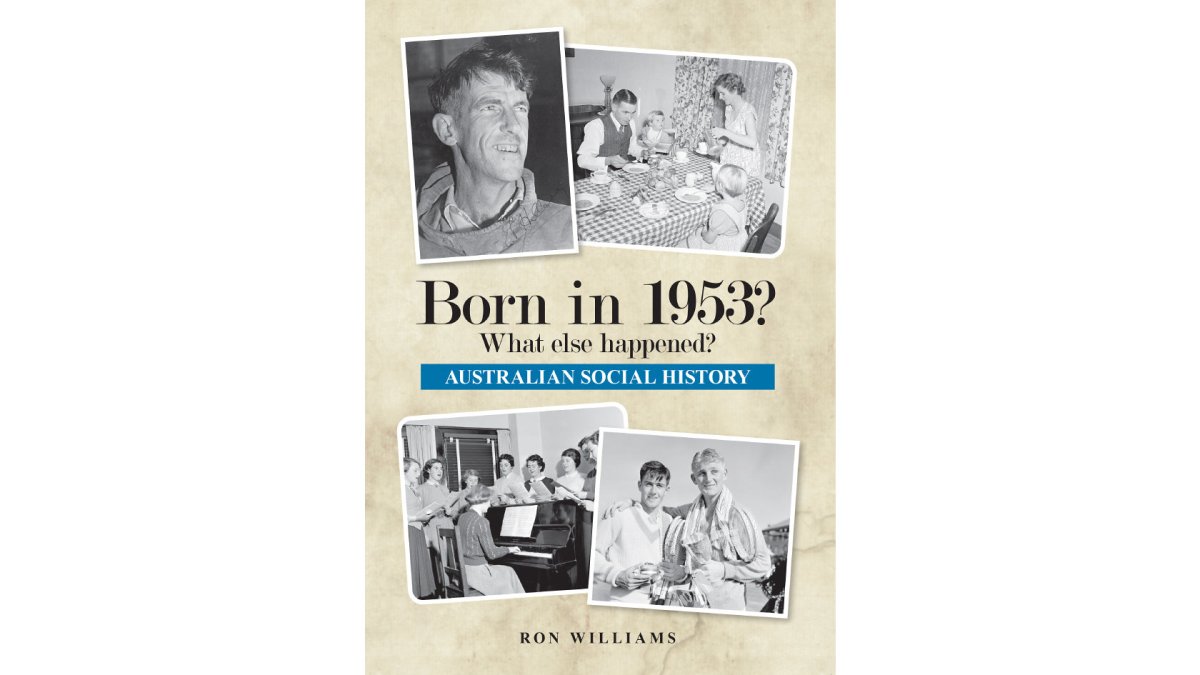
Why Choose Signed Nostalgia Books for Older Guests
Signed nostalgia books work for older guests because they combine a tangible keepsake with a shared activity, and the author's signature makes the copy feel like a personal artefact rather than a mass-produced item.

Three reasons this gift type outperforms generic options:
- It is specific to the recipient's own decade, not a general history of the era.
- It invites conversation across generations, which suits a mixed-age guest list.
- It keeps working after the party ends, unlike flowers or food.
Step 1: Plan the Guest List and Set a Budget
Start with the guest list and a firm budget, because every other decision flows from those two numbers. For an at-home milestone, 10 to 20 people usually works better than a large crowd, particularly if the guest of honour tires easily.
Work through it in this order:
- Write down who the guest of honour would genuinely want present, then cut anyone who only makes the list out of obligation
- Confirm the date with the closest family members before sending anything
- Set a total budget and split it into four buckets: food and drink, decorations, gift, and a small contingency
- Check whether anyone attending has mobility, dietary, or sensory needs
- Decide whether the event is a surprise or an open plan, since surprises suit some people and distress others
Step 2: Choose a Theme and Decorate with DIY Touches
Pick a theme tied to a decade the guest of honour actually remembers, then decorate lightly. Over-decorating makes rooms hard to move through, especially for older guests.
Practical themes that work well:
- Decade theme: 1950s, 1960s, or 1970s music, table settings, and dress code
- Afternoon tea: vintage teacups, tiered stands, and quiet background music
- Garden gathering: outdoor tables, simple floral arrangements, and shade cover
- Memory table: photographs, old tickets, and small keepsakes arranged on one table for guests to browse
Step 3: Plan Food and Drink Stations
Food stations beat a formal seated meal for most at-home milestone celebrations, because guests eat when they like and the host is not stuck in the kitchen. Set up two or three stations rather than one long buffet to keep traffic moving.
A workable setup:
- Savoury station: finger foods, sandwiches, and warm bites that hold their temperature
- Afternoon tea station: scones, slices, and a custom cake as the centrepiece
- Drink station: tea and coffee, plus a small cocktail bar or a non-alcoholic option
How much food and drink to actually buy
Most hosts over-cater by roughly a third. A reliable rule for a 15-guest, three-hour afternoon event is:
- Savoury: 5-6 bite-sized pieces per guest if a meal is also served, or 10-12 if finger food is the main event
- Sweet: 2-3 pieces per guest plus the cake, which is usually cut into 20-30 slices from a standard 20 cm round
- Tea and coffee: 2 cups per guest; allow 1 litre of milk per 20 cups
- Soft drink and water: 1.5 litres per guest across the event, more in summer
- Alcohol: if serving, plan 2 standard drinks per drinking guest, plus a generous non-alcoholic alternative, at a milestone for older guests, non-alcoholic options are often the majority choice
Adjust the stations to the age of the guest of honour
The right setup changes with the milestone:
- 21st: standing-friendly, late-starting, music-led. A drinks station and a grazing table work; seating is optional.
- 40th: often a family event with children present. A savoury station, a kids' table, and a clearly separated drink station keep both groups happy.
- 60th: seated comfort starts to matter. Provide chairs near every station so guests can eat without standing.
- 70th and 80th: prioritise a seated afternoon tea format. Small plates, easy-to-hold food, and a tea and coffee station within arm's reach of seating. Avoid anything that requires balancing a plate while standing.
For older guests, avoid very hard, dry, or crumbly foods, and keep portions small. Keep warm food in a slow cooker or insulated server rather than leaving it out, both for food safety and because cold food is less appealing.
Budget-conscious station planning
A high-impact, low-cost approach is to pick one station to make impressive and keep the others simple:
Book; Born in 1943? What else happened? →
- Spend on the cake, because it is the visual centrepiece and the photograph everyone takes
- Use vintage crockery, linen, and cake stands you already own or can borrow, mismatched china reads as intentional styling, not shortage
- Print simple menu cards at home rather than ordering signage
- Serve one signature drink instead of a full bar
Step 4: Organise Games, Music and Entertainment
Entertainment should be low-effort and high-participation, and never require guests to stand for long. Music from the guest of honour's twenties or thirties usually lands better than a current playlist.
Ideas that work across age groups:
- A memory jar, where guests write down a favourite memory and the host reads them aloud
- A photo guessing game using childhood or wedding photographs
- A decade quiz covering music, sport, and news from the relevant years
- A short slideshow, kept under ten minutes
- A guest book that doubles as a keepsake
Step 5: Manage Accessibility, Logistics and Cleanup
Accessibility planning is the step most hosts skip, and it decides whether older guests actually enjoy themselves. Walk through the space beforehand as a guest with a walker would.
Work through this list before the day:
- Clear a path at least wide enough for a walker between the entry, seating, food, and bathroom
- Provide a mix of seating, including chairs with arms and backs rather than low lounges
- Check bathroom access, including a grab rail if available, and keep the route lit
- Confirm parking, drop-off, and step-free entry for anyone with mobility needs
- Ask about dietary requirements and label dishes clearly
- Keep noise levels moderate if anyone has hearing difficulty, and avoid loud background music during conversation
Accessibility details that actually matter
The common failure points in a home are:
- Thresholds and rugs. A 2 cm lip between rooms stops a walker. Tape down or remove loose rugs along the main route.
- Bathroom reach. A standard toilet is too low for some guests. A raised seat or a portable frame helps, and a night light in the hallway prevents falls after dark.
- Seating height. Low lounges are hard to rise from. Dining chairs with arms are the safest option for older guests, and they should be placed near the food and the bathroom, not in a separate room.
- Noise. Hearing aids amplify background noise. Keep music low during conversation and avoid running the dishwasher or rangehood while guests are seated.
- Temperature. Older guests feel cold sooner. Have a throw rug or two within reach and avoid seating anyone directly under an air conditioner vent.
- Lighting. Bright, even light helps guests with low vision read faces and navigate. Avoid dim, moody lighting for a milestone with older guests.
If the guest of honour has dementia or memory loss, keep the layout familiar and avoid rearranging furniture. A quiet room away from the main gathering gives them a place to rest without leaving the event.
Logistics: parking, drop-off, and the flow of the day
For a 15-guest at-home event, parking is usually the first problem. Ask neighbours about driveways, or arrange a front-door drop-off and direct drivers to street parking. If alcohol is served, book a maxi taxi or keep a designated driver list.
- Guests arrive, drinks and grazing for the first 45 minutes
- Main food stations open
- Cake and speeches
- Games or memory activities
- Tea and coffee, then gradual departure
Cleanup and post-event logistics
Plan the cleanup before the party starts, because a large group in a home generates more waste and mess than most hosts expect.
- Bins: set up three, general waste, recycling, and a separate bin for food scraps. Line them and place them where guests can reach them without asking.
- Hired items: stack a box or a designated corner for hired glassware, platters, and linen so nothing walks off. Return hired items the next business day to avoid extra charges.
- Borrowed servingware: wash and return borrowed items within a week, and label them with the owner's name before the event so they do not get mixed up.
- Leftovers: send food home with guests rather than storing it. Most hosts cannot eat through a milestone spread, and guests appreciate the gesture.
- Same-night tasks: wash borrowed servingware, wipe down surfaces, and take the bins out. Leaving food scraps overnight attracts pests and makes the next morning harder.
- Next-day tasks: return hired items, launder linen, and check the space for anything guests left behind.
Conclusion
Hosting a milestone birthday at home comes down to one thing: making the guest of honour feel specifically seen, not generally celebrated. Get the guest list and budget right, build the day around a personal centrepiece, and handle the accessibility details most hosts overlook.
Frequently Asked Questions
What are the most celebrated milestone birthdays in Australia?
In Australia, milestone birthdays typically include 18th, 21st, 30th, 40th, 50th, 60th, 70th, 80th and 90th. Many families also mark a 100th birthday as a major milestone. For older adults, the 60th, 70th and 80th are often the most significant, as they mark retirement, grandparenthood and decades of memories. These ages are a natural prompt to gather family and friends, share stories and celebrate a life well lived.
How can I incorporate nostalgia into a milestone birthday celebration?
Nostalgia works well for a milestone birthday because it invites storytelling and connection. You can set up a memory table with old photos, play music from the guest of honour's youth, or ask guests to bring a written memory to share. A signed nostalgia book, such as a 'Born In' title from Remember When Shop, makes a thoughtful gift that sparks conversation and can be enjoyed long after the party ends. These books focus on Australian life and are designed to prompt memories.
How do you plan a memorable milestone birthday party on a budget?
Focus on the elements that create meaning rather than expense. Host at home to avoid venue hire, keep the guest list intimate, and prepare simple food stations instead of full catering. Use DIY decorations, such as printed photos and handmade banners, and ask guests to contribute a dish or a memory. For gifts, a signed nostalgia book at $25.99 offers a personal touch that lasts. Setting a realistic budget early helps you prioritise what matters most.
What are some unique ways to celebrate a 50th or 60th birthday at home?
For a 50th or 60th, consider a themed party based on the decade the guest was born or grew up. A 1960s or 1970s theme can guide decorations, music and even dress code. Host an afternoon tea with vintage china, organise a mixology workshop or a virtual cooking class with faraway family, or set up a garden gathering with lawn games. A private dinner with a custom cake and a memory-sharing activity can also feel special and personal.