
How to Find the Perfect Gift for History Buffs
Table of Contents
- Start With the Era They Remember, Not the Era They Studied
- How to Match a Gift for History Buffs to Their Specific Passion
- Why Choose Signed Nostalgia Books for the History Lover in Your Life
- Nostalgia Gift Ideas for Elderly Relatives: What Actually Gets Used
- Decade-Specific Photo Books: Matching the Gift to Their Formative Years
- How to Vet a Historical Gift Before You Buy It
- DIY and Personalised Touches That Turn a Good Gift Into a Great One
- Frequently Asked Questions
Last Updated: September 22, 2026
Start With the Era They Remember, Not the Era They Studied
Finding the perfect gift for history buffs starts with one question: which years shaped them? A gift that matches someone's own memories will always beat a gift about a period they only read about.
That is the core idea behind this guide from Remember When Shop. We have spent years helping families choose meaningful keepsakes, and the pattern is always the same. Personal beats academic. Every time.
So before you browse, work out the decade your person actually lived through.
- Born in the 1940s? They remember wartime rationing and the years of rebuilding.
- Born in the 1950s? Suburbia, television and the birth of teen culture.
- Born in the 1960s or 1970s? Decimal currency, colour television and huge social change.
How to Match a Gift for History Buffs to Their Specific Passion
Matching a gift for history buffs to their real interest takes a bit of listening. History is not one hobby. It is many, and the right gift depends on which one they follow.

Start With the Type of History Lover, Not the Era
Most gift guides sort history buffs by era. A more useful sort is by temperament, because two people who love the same decade can want completely different gifts. There are often four recurring types of history enthusiasts:
- The armchair researcher reads widely and cross-checks sources. They value well-referenced books, archival reproductions and access to records more than objects.
- The reenactor wants kit that looks and feels right, period-correct clothing, tools and replicas they can wear or use.
- The collector cares about provenance, condition and completeness. They would rather have one documented piece than five generic ones.
- The storyteller wants to share history with others, coffee-table books, conversation-starting objects and gifts that work in a group.
Military and Wartime History Enthusiasts
These are your detail people. They care about dates, campaigns and what ordinary people endured.
Genealogy and Family History Researchers
For this group, the past is personal. They want to know where their own family came from.
Social History and Everyday Life Lovers
Some people could not care less about generals and treaties. They want to know what people ate, wore, drove and watched.
Ancient History and Archaeology Fans
This group is often overlooked by nostalgia-focused guides. They tend to want replicas, maps and books about daily life in the ancient world rather than modern decades. Look for museum-quality replica coins, scale models of sites, and titles on archaeology and excavation methods.
The Ethics Check Every Buyer Should Run
Before you buy anything described as an antique, artefact or genuine historical item, run one quick ethics check. Buying and selling cultural material can be regulated, and some categories, human remains, certain cultural objects and items removed from their country of origin, are restricted or illegal to trade. Reputable sellers will tell you where an item came from and will not pressure you to buy quickly.
Gifts for Specific Eras
Broad guides stop at "ancient, military or modern". A sharper approach is to match the gift to a single era the person already follows. A Victorian Era enthusiast, for example, may want reproduction stationery, a facsimile of a period newspaper or a book on daily life in the 1800s. A fan of the interwar years may prefer art deco design books or reproductions of period posters.
Why Choose Signed Nostalgia Books for the History Lover in Your Life
A signed nostalgia book turns a nice gift into a keepsake. That is the short answer.
Nostalgia Gift Ideas for Elderly Relatives: What Actually Gets Used
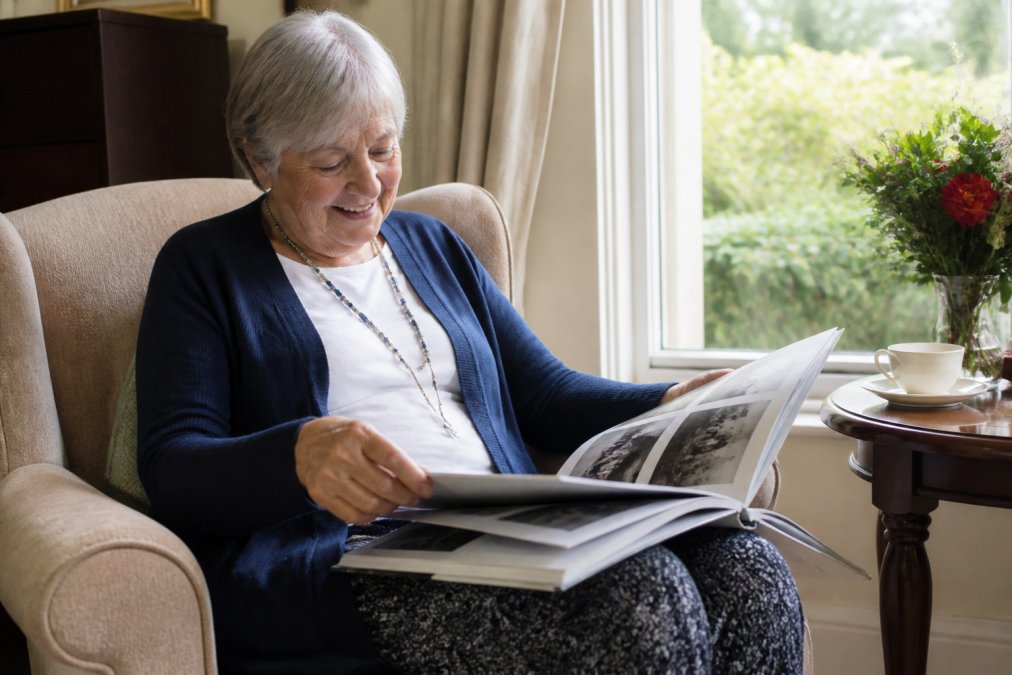
Nostalgia gift ideas for elderly relatives should be simple to pick up and easy to enjoy. Large photos, short passages and familiar subjects beat anything complicated.
Book; Photos and Memories of Australia →
- Decade photo books with big images and short captions
- Commemorative "Born In" titles tied to their birth year
- Classic car books for anyone who loved their first Holden
- Signed copies for a personal touch
- Books with large print for easier reading
Decade-Specific Photo Books: Matching the Gift to Their Formative Years
Decade-specific photo books work because they match the years a person actually remembers. Get the decade right, and the gift lands.
The Formative-Years Rule
Memory research consistently finds that people recall events from their teens and twenties more vividly than any other period of life. That is why a book about the decade someone turned 18 will almost always beat a book about the decade they were born. If you are unsure which decade to choose, ask when they left school, started their first job or met their partner.
The 1940s: Wartime and the Birth of Modern Australia
This decade covers war, rationing and the slow return to normal life. It ends with the first Holden rolling off the line.
The 1950s and 1960s: Suburbia, Television and Teen Culture
These years brought new suburbs, television and the birth of teenage culture. The 1960s added decimal currency and huge social change.
The 1970s: Colour Television, Metric Conversion and Cultural Change
The 1970s brought colour television, metric conversion and a nation finding its voice. It was a turbulent, colourful decade.
The 1980s and 1990s: For Younger History Buffs
Most nostalgia guides stop at the 1970s, which leaves a gap for anyone under 50. The 1980s brought home computers, video cassettes and a distinct pop culture. The 1990s added the internet and mobile phones. If your person is in their thirties or forties, a book from these decades will land harder than one from their parents' era.
Matching the Decade to the Occasion
A milestone birthday is the easiest cue. A 70th birthday points to the 1950s and 1960s. A 50th points to the 1970s and 1980s. An anniversary points to the decade the couple married. If you know the occasion, you already know the decade.
| Decade | Key Memories | Best For |
|---|---|---|
| 1940s | Wartime, rationing, first Holden | Born in the 1940s |
| 1950s | Suburbia, television, teen culture | Baby Boomers |
| 1960s | Decimal currency, social change | Born in the 1960s |
| 1970s | Colour TV, metric conversion | Born in the 1970s |
| 1980s | Home computers, video cassettes | Born in the 1980s |
| 1990s | Internet, mobile phones | Born in the 1990s |
How to Vet a Historical Gift Before You Buy It
Vetting a historical gift comes down to three checks: the source, the detail and the seller. Run all three before you spend.
- Is the author named and qualified?
- Are the photos real and dated?
- Does the seller show reviews and contact details?
- Is there a clear delivery and returns policy?
DIY and Personalised Touches That Turn a Good Gift Into a Great One
A small personal touch can lift a good gift into a memorable one. You do not need to spend much.
- Add a handwritten note about a memory you share
- Tuck in a family photo from the same decade
- Mark a favourite page with a small bookmark
- Wrap it with a printed copy of an old family recipe
Frequently Asked Questions
What makes a gift truly meaningful for a history enthusiast?
The most meaningful gifts connect to something personal, not just a topic they find interesting. A decade-specific photo book covering the years they grew up in often works better than a general history title, because it triggers their own memories rather than someone else's research. Signed copies add a collectible element, and personalised notes or family photos tucked inside turn a book into a keepsake. The test is simple: does the gift say 'I know your story' or just 'I know you like history'?
Are signed historical books considered good gifts for collectors?
Yes, and often more practical than replica artifacts. A signed copy carries a direct link to the author and cannot be bought secondhand in the same condition, which matters to collectors. Author-signed nostalgia books also tend to hold sentimental value beyond their resale price, especially when the author has a documented body of work in that field. If the recipient already owns unsigned editions, a signed copy of the same title still counts as an upgrade rather than a duplicate.
What are the best gift ideas for someone interested in mid-century history?
Focus on the decades they lived through rather than the ones they only read about. Photo books covering the 1940s through the 1970s work well because they combine archival images with personal memories and year-by-year chronicles. Pair a book with a small related item, such as a vintage-style bookmark or a framed family photo from the same era, and write a short note explaining why you chose that decade. That combination gives the recipient something to read, something to display, and something to talk about.
How do I choose a gift for someone with dementia or memory loss?
Choose something designed for shared looking rather than solo reading. Decade-specific photo books with large images and short captions work better than dense text, because they invite conversation without requiring sustained concentration. Carers in aged care settings use these books for reminiscence therapy, sitting alongside the resident and asking open questions about what they see. Order one copy first to test how it lands, then consider bulk orders for a facility if it works well.