

How to Start a Vintage Book Collection
Table of Contents
- Understanding Vintage and Antique Books
- How to Identify Vintage Book Editions and First Editions
- Best Places to Buy Vintage Books
- Preserving Old Books in Humid Climates
- Building Your Vintage Book Collection Strategy
- Authentication and Provenance Documentation
- Starting Your Collection with Australian Nostalgia Titles
- Common Mistakes to Avoid When Collecting Vintage Books
- Frequently Asked Questions
Last Updated: October 3, 2026
Understanding Vintage and Antique Books
Vintage books are typically publications from 30 to 100 years old, while antique books are generally over 100 years old. The distinction matters when you're building a vintage book collection.
Vintage books capture era-specific culture and design at affordable prices, ideal for starting a collection. Antique books command higher prices but offer greater historical significance and rarity.
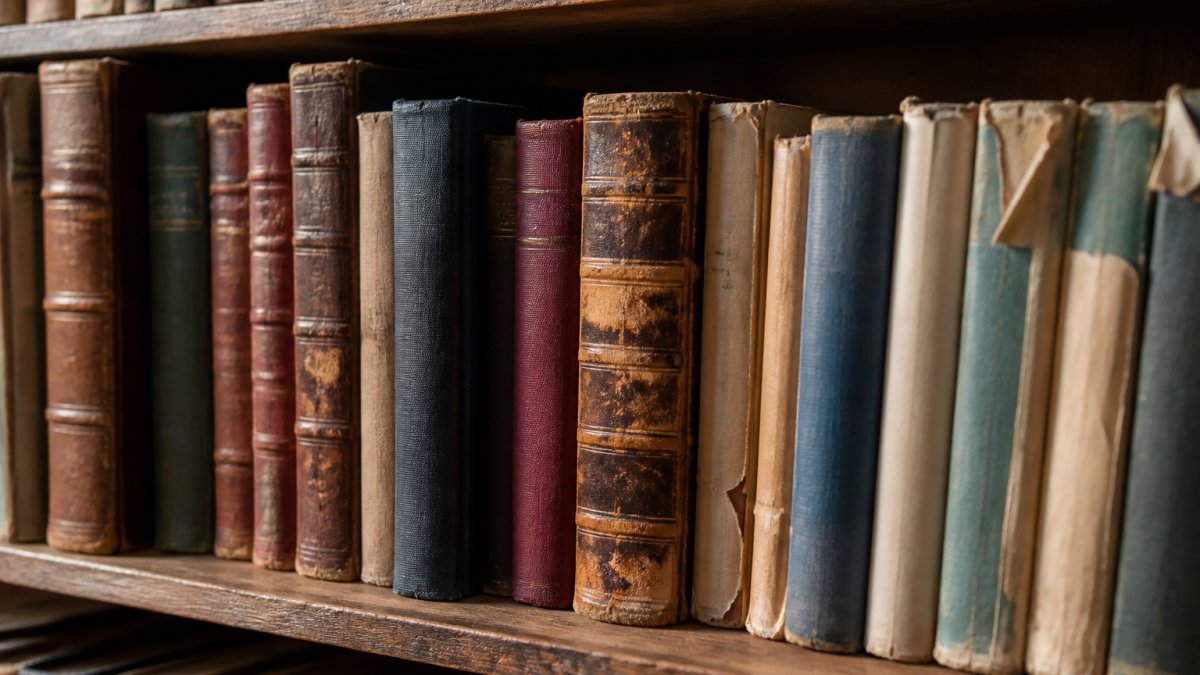
A vintage book collection holds memories, connecting you to a time, place, or person. For Australian collectors, books from the 1950s-1980s spark nostalgia, transporting readers back decades and triggering cherished recollections.
What separates a valuable vintage book from a shelf-filler? Condition, rarity, provenance, and demand. A first edition in pristine condition with its original dust jacket can be worth thousands.
How to Identify Vintage Book Editions and First Editions
The first edition is the initial print run; subsequent printings are reprints worth considerably less. Identifying first editions separates serious collectors from casual browsers.
Checking Publication Details and Dust Jackets
Check the copyright page (reverse of title page) for publication date and print run. A first edition typically states "First Edition" or shows only one date with no mention of reprints.
An original dust jacket can triple a book's value. Check for intact spine and corners, original artwork, absence of stickers or writing, and proper fit. Books without dust jackets lose significant value, even with pristine bindings.
Evaluating Condition and Provenance
Condition grading uses a standard scale: Fine (almost new), Very Good (minor wear), Good (obvious use), Fair and Poor (significant damage).
Provenance, a book's ownership history, commands premium prices. Look for author signatures, bookplates, library stamps, or evidence of notable previous owners. A signed copy transforms a vintage book collection item into a treasure.
Examine the pages carefully. Foxing (brown spots caused by age and humidity) is normal but reduces value if extensive. Paper degradation, loose pages, or cracked spines indicate poor storage conditions.
Best Places to Buy Vintage Books
Finding quality vintage books requires knowing where to look and understanding seasonal market rhythms. The right source depends on your budget, timeline, and collection goals.
Estate Sales and Downsizing Events
Estate sales are goldmines for vintage book collectors. When someone passes away or downsizes, their library often goes to sale at reasonable prices. In major areas, check Pickles Auctions and Facebook groups; regional areas rely on word-of-mouth. Spring and autumn see the highest volume. Arrive early, best books sell within the first hour. Pre-view the evening before if possible to identify priorities.
Library Book Sales and Community Events
Libraries hold regular book sales (quarterly or bi-annually) with prices 50-80% below retail. Check your local library's website for dates; many publish catalogues online. Regional libraries often have smaller, less-crowded sales with overlooked gems.
Community fetes, school fundraisers, and church book sales attract casual sellers, offering lower prices and less competition. Visit multiple times as volunteers replenish tables.
Op Shops and Charity Retailers
Op shops stock vintage books at $2-$8 per title. Develop relationships with staff, they'll alert you to incoming collections. Larger stores in affluent suburbs stock higher-quality titles. Visit weekly; new stock arrives constantly.
Regional Auction Houses and Antique Markets
Regional auction houses like Lawsons and Deutscher and Hackett hold quarterly book auctions. Research estimates before bidding to avoid overpaying. Antique markets feature multiple dealers in one venue, allowing price comparison. Dealers often negotiate on bulk purchases.
Specialist Rare Book Dealers
Rare book dealers provide authentication and expert knowledge at premium prices (2-3× op shop costs). Many operate online-only or by appointment. Request detailed condition reports and photographs before high-value purchases. Reputable dealers offer return guarantees.
Online Platforms and Interstate Sourcing
Online platforms like AbeBooks, Biblio, and Facebook marketplace connect you to dealers and sellers. Verify credentials, check feedback, request detailed photographs, and confirm return policies. For books over $100, request a condition report. Calculate shipping costs carefully, a $30 book with $15 shipping may not be worthwhile.
Building a Sourcing Calendar
Track local estate sales, library sales, antique markets, and auction schedules, most follow predictable patterns. Join Facebook collector groups and forums; members share tips, alert each other to rare finds, and collaborate on bulk purchases.
Preserving Old Books in Humid Climates
Australian humidity poses unique preservation challenges. High moisture promotes mould, paper degradation, and binding deterioration. Proper storage and pest management prevent irreversible damage.
Understanding Australian Climate Risks
Humidity above 60% creates ideal conditions for mould, silverfish, and cockroaches. Coastal areas regularly exceed 70%. Temperature fluctuations in uninsulated sheds or garages (10-15°C daily swings) weaken bindings and accelerate foxing. Attics are particularly problematic with extreme seasonal swings.
Storage Environment and Humidity Control
Maintain 18-21°C and 30-50% humidity. Avoid basements (flood risk) and attics (extreme swings). Choose interior closets or climate-controlled rooms. For valuable collections, invest in a dehumidifier ($200-$600) to maintain humidity below 50%. Silica gel canisters ($10-$20) work for small collections in sealed cabinets.
Ensure good air circulation. Stagnant air encourages mould. Space books slightly apart on shelves rather than packing them tightly. Avoid pushing books against exterior walls, which are cooler and more prone to condensation. Leave 5-10 cm clearance between the back of shelves and walls.
Addressing Silverfish and Pest Control
Silverfish feed on paper, glue, and bindings, thriving in humidity above 50%. Prevent infestations by maintaining low humidity and vacuuming monthly. Never use cardboard boxes; use acid-free plastic or wood. If damage occurs, isolate books in sealed bags with cedar blocks or lavender for 2-3 weeks. For severe infestations, contact a specialist ($300-$800).
Cockroaches also damage books, particularly in tropical regions. They leave faecal stains and eat paper. Prevent infestations by keeping bookshelves clean and free of food debris. Store books away from kitchens and bathrooms where cockroaches congregate.
Mould Prevention and Management
Mould thrives in humidity above 65%. Prevent it by maintaining humidity below 50% and ensuring air circulation. If early mould appears, isolate the book and place it in a sealed container with silica gel for 1-2 weeks. Never wipe mould, this spreads spores. For mould covering more than 10%, seek professional conservation. In tropical regions, consider a sealed cabinet with continuous dehumidifier ($400-$800) for valuable collections. Maintaining such rigorous environmental standards remains equally vital for those who choose to curate a comic book collection, where the preservation of fragile paper stock demands consistent vigilance against the persistent threat of environmental decay.
Addressing Paper Degradation and Foxing
Foxing cannot be reversed but slows with dry storage away from direct sunlight. Never attempt DIY cleaning. Store books upright or flat (never spine-down) with bookends supporting heavy volumes. For brittle paper, store flat in acid-free boxes and minimise handling.
Seasonal Adjustments for Australian Weather
During summer, run dehumidifiers continuously. Winter heating dries air beneficially. After heavy rain, check for moisture and stand damp books upright with pages fanned. In tropical regions, run dehumidifiers year-round ($10-$20 monthly).
Book; Australia Remember When. Bob Byrne →
Building Your Vintage Book Collection Strategy
A successful vintage book collection reflects your interests and goals. Decide whether you're collecting for investment, nostalgia, or scholarly interest.
Choosing Your Focus: Thematic or Investment Approach
Thematic collectors focus on a specific genre, author, time period, or subject. Investment collectors prioritise rarity and appreciation potential. Most blend both approaches. Start with books you genuinely want to read or display, a collection built on passion sustains itself.
Cataloging and Valuation
Record each book's details: title, author, publication date, edition, condition, purchase price, and provenance. Use a spreadsheet or dedicated cataloging software. This documentation proves invaluable for insurance, estate planning, and future sales.
Take photographs of dust jackets, spines, and any notable features. Visual records help you remember what you own and track condition changes over time.
Valuation sites like AbeBooks and ViaLibri aggregate prices from dealers worldwide, showing what similar books sell for. Use these tools to understand market value, but remember that condition, provenance, and local demand affect actual selling prices.
Authentication and Provenance Documentation
Authenticating vintage books prevents costly mistakes. Counterfeit or misattributed editions exist, particularly for valuable first editions.
Request detailed condition reports from sellers. Reputable dealers provide photographs and honest assessments of wear, foxing, and binding condition. Never buy a high-value book without seeing photographs or handling it personally.
Verify publication details against bibliographic databases. First edition identification varies by publisher. Some state "First Edition" explicitly; others require decoding print run information.
For signed copies, confirm the signature's authenticity. Author signatures appreciate value significantly, but forged signatures destroy it. Purchase signed books from established dealers or auction houses with authentication guarantees.
Keep all documentation: receipts, condition reports, photographs, and provenance information. This paper trail protects your collection's credibility and value.
Starting Your Collection with Australian Nostalgia Titles
Australian vintage books offer unique appeal for local collectors. Books capturing life from the 1950s through 1980s resonate deeply with those who lived through those decades.
Australia Remember When by Bob Byrne is an ideal starting point. Featuring over 200 photographs and 250+ pages of nostalgia, this book captures the essence of growing up in post-war Australia.

Photos and Memories of Australia from the 1950s and Photos and Memories of Australia from the 1960s offer decade-specific deep dives. These books document Australian social history through personal photographs and stories.
Many Remember When Shop titles come author-signed, adding provenance and investment value. A signed copy becomes a keepsake, meaningful for gifts to parents, grandparents, or those working in aged care using reminiscence therapy.
These books work beautifully in vintage book collections because they combine affordability, accessibility, and emotional resonance. You're not hunting for rare 1890s editions; you're curating a collection that celebrates your personal history.
Common Mistakes to Avoid When Collecting Vintage Books
New collectors often make preventable errors that damage books or waste money.
Storing books improperly tops the list. Damp basements, hot attics, and direct sunlight ruin vintage books. Invest in proper storage before acquiring valuable titles.
Ignoring condition in favour of rarity leads to regret. A rare book in poor condition depreciates faster than a common book in excellent condition. Balance rarity with preservation potential.
Overpaying at first purchase happens when you lack market knowledge. Research comparable sales before buying. Attend multiple estate sales and markets to develop an eye for fair pricing.
Neglecting documentation costs you later. Record provenance, condition, and purchase details immediately. Memory fades; paperwork doesn't.
Attempting amateur restoration destroys value. Cleaning, rebinding, or repairing vintage books requires professional expertise. Leave restoration to specialists.
Buying without examining the book invites disappointment. If purchasing online, request detailed photographs and condition reports. Never buy sight-unseen without a return guarantee.
Starting a vintage book collection rewards patience, knowledge, and genuine interest. Remember When Shop offers curated Australian nostalgia titles that make excellent collection foundations, many author-signed for added significance. Shop Now and discover how vintage books reconnect you with cherished memories of bygone eras.
Frequently Asked Questions
What defines a book as vintage versus antique?
Vintage books typically date from 50 to 100 years ago, while antique books are over 100 years old. The distinction matters for valuation and preservation. A vintage book collection might focus on editions from the 1950s-1980s, which hold strong appeal for collectors reconnecting with their youth. Age alone doesn't determine value; rarity, condition, and provenance matter equally.
How do I identify a first edition or rare print when starting a vintage book collection?
Check the copyright page for edition statements, first editions often state 'First Edition' or show only one printing date. Look for publisher's marks, dust jacket presence, and bibliographic data. Signed copies by the author significantly increase value. Consult rare book dealer resources or online bibliographic databases to verify edition status before purchasing. Provenance documentation strengthens authenticity claims.
What are the best ways to preserve vintage books in humid climates?
Maintain humidity between 30-50% using dehumidifiers or climate-controlled storage. Store books upright on acid-free shelves, away from direct sunlight and moisture sources. Use archival-quality materials for protection. Monitor for foxing (brown spots from paper degradation) and mould growth regularly. In humid environments, inspect collections monthly and ensure adequate air circulation to prevent deterioration of bindings and paper.
Where should I source my first vintage books?
Estate sales, local antique markets, and rare book dealers offer authentic finds with verifiable provenance. Online platforms and auction houses provide broader selection but require careful authentication. Specialised sellers like Remember When Shop curate collections with documented histories and author-signed copies. Start locally to build relationships with dealers who understand your collecting interests and can alert you to new acquisitions.