
Are Nostalgia Books Comforting Gifts? A 2026 Guide
Table of Contents
- Why Nostalgia Books Are Comforting Gifts
- The Psychology of Comfort Reads and Re-reading
- Best Comfort Books for Gifts: Decade-Specific Selections
- Benefits of Re-reading Childhood Books as Therapeutic Practice
- Nostalgia Gift Ideas for Book Lovers: Matching Books to Personal History
- Cultural Touchstones and Shared Memories
- Nostalgia Books as Meaningful Gifts for Every Occasion
- Conclusion
Why Nostalgia Books Are Comforting Gifts
Nostalgia books offer far more than entertainment, they provide a bridge to cherished memories and emotional safety in an uncertain world. When you give someone a nostalgia book, you're offering permission to revisit simpler times and reconnect with versions of themselves they may have thought were lost.
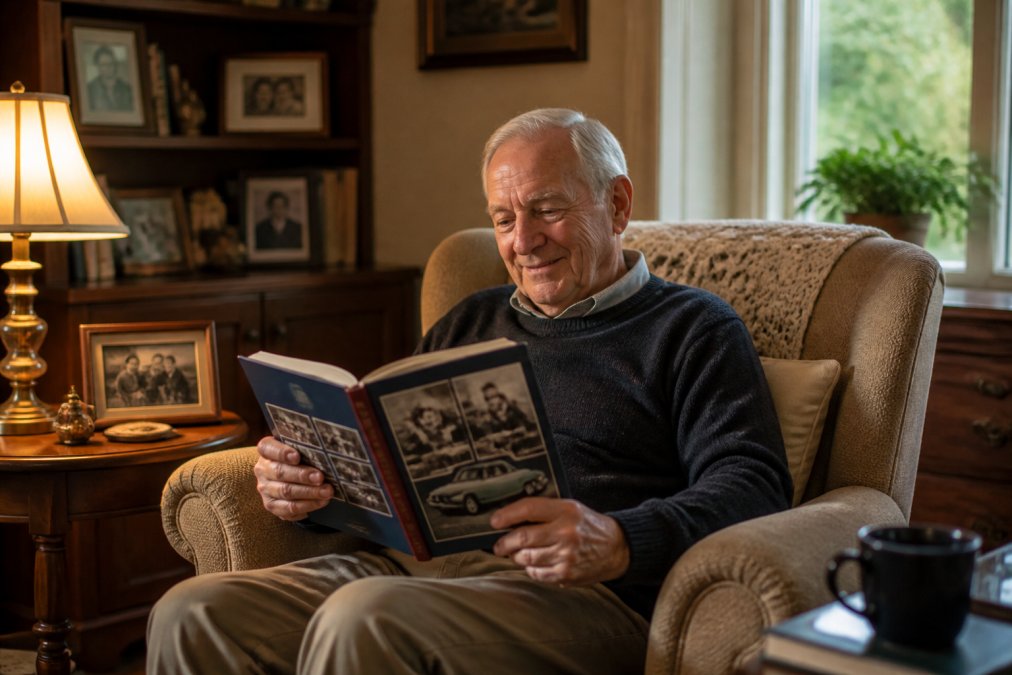
When we encounter images, stories, and references from our formative years, our brains trigger a cascade of positive memories and associated emotions. A book featuring Australian cars from the 1950s, local landmarks you walked past as a child, or fashion and music from your teenage years creates an immediate sense of recognition and belonging. That warm feeling is the result of your mind processing deeply personal connections to your own history.

Creating shared memories across generations is one of the most powerful aspects of giving a nostalgia book as a gift. When a grandparent receives a book filled with photographs from the 1960s or 1970s, they gain a tool for conversation with younger family members. Grandchildren become curious about the world their grandparents inhabited. A book becomes a catalyst for family connection, transforming solitary reading into an intergenerational dialogue about personal history and lived experience.
Remember When Shop specializes in curating Australian nostalgia titles that resonate across age groups. Their decade-specific collections and author-signed copies create keepsakes that hold both emotional and commemorative value, gifts that families return to repeatedly.
The Psychology of Comfort Reads and Re-reading
Comfort reads serve a specific psychological function: they soothe anxiety by providing predictable, familiar narratives and environments. When life feels overwhelming, returning to a book filled with memories you've lived through offers emotional regulation that new stories cannot provide.
Reading about a time when life felt simpler activates neural pathways associated with safety and belonging. This isn't escapism; it's therapeutic engagement with your own history. For many readers, re-reading is an intentional practice with measurable benefits. A book encountered at one life stage offers different insights when revisited at another. The same passage that made you laugh at fifteen might move you to tears at sixty-five, because you now understand contexts you couldn't grasp before.
When you re-read a book filled with photographs from your childhood neighbourhood, you're reconnecting with the sensory experience of being young in that place. The emotional resonance deepens with each encounter because you bring more life experience to the reading.
Best Comfort Books for Gifts: Decade-Specific Selections
Selecting the right comfort book as a gift requires matching the decade to the recipient's personal history. The most meaningful gifts align with the years when the recipient was forming memories, typically from late childhood through early adulthood.
1950s nostalgia: Capturing post-war innocence
The 1950s represent post-war reconstruction, suburban expansion, and a cultural moment before television reshaped daily life. Growing up in Adelaide in the 1950s by Susan Blackburn offers personal reminiscences from people who experienced childhood in that city during that decade. At $29.99, it provides specific local detail that generic nostalgia books cannot match. For a broader Australian perspective, Photos and Memories of Australia from the 1950s (author-signed copy, $29.99) captures the nation's transition from wartime rationing to suburban home ownership, documenting the arrival of television and the first Holden rolling off the production line.
1960s and 1970s: The transformative decades
The 1960s and 1970s were periods of extraordinary cultural shift in Australia, marked by the Vietnam War, the 1967 referendum granting Aboriginal Australians citizenship rights, and the rise of youth culture. Photos and Memories of Australia from the 1960s (author-signed copy, $29.99) documents this transformation through personal photographs and stories. The 1970s brought the Whitlam government, the introduction of the metric system, and the arrival of Vietnamese families building new lives in Australia. Photos and Memories of Australia from the 1970s (author-signed copy, $29.99) chronicles this decade through the eyes of people who lived it.
For readers with specific city connections, Melbourne Remember When (author-signed copy, $34.99) and Adelaide Remember When: The Boomer Stories (author-signed copy, $29.99) provide localised nostalgia that resonates differently than national collections. When someone receives a book featuring their own city's landmarks and cultural moments, the emotional connection intensifies.
Specialised titles for car enthusiasts and local history lovers
Cars We Used to Drive: Australians on the move, 1940s to 1960s by Don Loffler ($54.95) speaks directly to those with a passion for Australian automotive history. This book features 280 colour slides and black-and-white photographs documenting vehicles that shaped Australian roads during the post-war decades. For someone who grew up around cars, this book offers a focused journey through personal and national history. Remember When Shop's curation recognises that nostalgia isn't one-size-fits-all, with titles designed for specific interests and passions.

Benefits of Re-reading Childhood Books as Therapeutic Practice
Reconnecting with simpler times through re-reading offers measurable psychological benefits. The practice provides grounding in an era when life felt more manageable and the pace of change was slower.
In aged care settings and dementia care environments, reminiscence therapy using nostalgia books has become a recognised intervention. Care workers report that residents who engage with books featuring photographs and stories from their formative years show improved mood, increased engagement, and more frequent spontaneous conversation. When a person with dementia encounters a photograph of a street they walked down seventy years ago, that moment of recognition carries profound emotional weight.
Research from the Alzheimer's Society indicates that reminiscence therapy, which incorporates nostalgic materials and photographs, can reduce anxiety and behavioural difficulties in people with dementia. For carers in aged care facilities, nostalgia books have become essential therapeutic tools that facilitate connection between residents and staff, and between residents and their own sense of self.
Nostalgia Gift Ideas for Book Lovers: Matching Books to Personal History
The most successful nostalgia gifts match the recipient's personal timeline rather than generic cultural moments. Someone born in 1955 will have a different relationship to 1960s nostalgia than someone born in 1970.
Selecting by birth year and life milestones
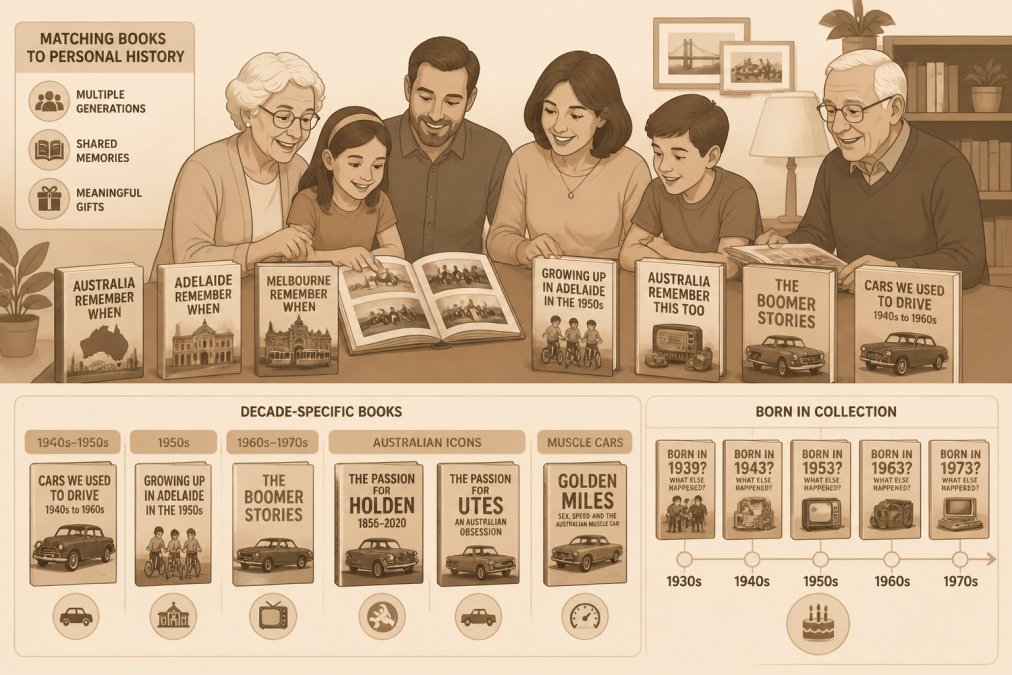
The most emotionally resonant period for most people spans from late childhood through early adulthood. This is when cultural references, music, fashion, and social experiences become deeply embedded in identity. A person born in 1950 will find profound meaning in books capturing the 1960s and 1970s. Remember When Shop's decade-specific collections make this matching process straightforward, ensuring the gift speaks directly to lived experience.
Author-signed copies as commemorative keepsakes
Author-signed copies carry additional weight as gifts because they represent a direct connection between the reader and the creator. When you give someone Australia Remember When (author-signed copy, $34.99) or Australia Remember This Too (author-signed copy, $34.99) by Bob Byrne, you're offering a personalised artefact. The author's signature transforms the book into a keepsake with commemorative value. For milestone occasions and significant birthdays, author-signed copies become particularly meaningful, signalling that you've selected something special specifically for the recipient.

Sustainable gifting through second-hand nostalgia titles
Second-hand nostalgia titles offer an increasingly important option for environmentally conscious gift-givers. A well-preserved second-hand copy can be an excellent sustainable choice. However, condition matters, particularly for photograph-filled books. For recipients prioritising pristine condition and completeness, Remember When Shop's new editions offer reliability that second-hand purchasing cannot guarantee.
Cultural Touchstones and Shared Memories
The power of nostalgia books lies in their function as repositories of cultural touchstones, the shared references, experiences, and objects that defined a particular era. When a book features the Coles Cafeteria in Melbourne, the Palais Theatre, or the trams that shaped urban life, it's capturing the social fabric of a time and place.
Someone who spent Saturday afternoons at a particular shopping arcade encounters their own life reflected in the pages. That reflection validates their experience. Shared memories across generations emerge when different age groups encounter the same book. A grandchild learns that their grandparent's memories are not merely personal nostalgia but part of a broader cultural moment. According to research on intergenerational storytelling, sharing personal narratives across age groups strengthens family cohesion and helps younger generations understand the historical context of their elders' lives.
Nostalgia Books as Meaningful Gifts for Every Occasion
Birthday milestones and landmark anniversaries
Birthday milestones, particularly significant ones like fiftieth, sixtieth, and seventieth birthdays, call for gifts that acknowledge the recipient's life journey. A nostalgia book aligned with the recipient's formative years offers far more than entertainment; it honours the time they've lived and the person they've become.
Landmark anniversaries, such as fifty years of marriage, become even more meaningful when the gift honours shared history. Australia Remember When or Melbourne Remember When can spark conversations about the years the couple spent together and the changes they witnessed.
Gifts for carers and healthcare professionals
Gifts of nostalgia books to care facilities serve multiple purposes: they provide therapeutic tools, demonstrate recognition of staff's work, and directly benefit residents who engage with the materials. Staff report that residents show measurable improvements in mood and engagement when they have access to decade-specific books featuring Australian content.
For individual carers providing care to aging relatives, a thoughtfully selected nostalgia book offers both a gift for the care recipient and a tool that facilitates connection during care interactions.
Conclusion
Nostalgia books occupy a unique space in the gift-giving landscape because they acknowledge that the past remains emotionally alive and worthy of celebration. They're therapeutic tools, conversation catalysts, and keepsakes that honour lived experience.
Remember When Shop has built its reputation on understanding this distinction. By curating decade-specific collections, offering author-signed copies that carry commemorative weight, and focusing specifically on Australian history and culture, they've created a resource that speaks directly to the emotional and therapeutic needs of older adults, family members seeking meaningful gifts, and care professionals working with reminiscence therapy.
Shop Now at Remember When Shop and discover the perfect nostalgia book for your gift-giving needs.
Frequently Asked Questions
How do nostalgia books actually help someone with dementia or memory loss?
Nostalgia books serve as powerful reminiscence therapy tools. When someone with dementia or memory loss encounters familiar images, places, and cultural touchstones from their formative years, it can trigger long-term memories that remain intact even when short-term recall fades. The visual and narrative anchors in these books, whether photographs of 1950s street scenes or descriptions of childhood experiences, create entry points for conversation and emotional connection. Carers in aged care settings have found that these books encourage engagement, reduce anxiety, and facilitate meaningful interactions between residents and family members. The comfort of revisiting familiar worlds can also provide a sense of security and continuity.
What makes these nostalgia books better value than cheaper alternatives available online?
Remember When Shop specialises in curated, decade-specific Australian nostalgia books with author-signed copies and deep historical detail. Books like Australia Remember When (£34.99) and the Photos and Memories series (£29.99 each) feature over 200 carefully selected photographs and personal stories specific to Australian life across the 1940s-1980s. Many titles are personally signed by author Bob Byrne, adding commemorative value as keepsakes. The collection depth, covering everything from suburban childhood memories to cultural landmarks, means you're purchasing a comprehensive snapshot of a specific era, not a generic nostalgia product. Additionally, the brand's reputation among carers and healthcare professionals reflects genuine utility beyond simple sentimentality.
Can I give one of these books to someone grieving, or will it make them sad?
Nostalgia books are designed to evoke warm, bittersweet memories rather than profound grief. The tone across Remember When Shop's collection emphasises celebration of 'the good old days' and shared cultural moments, the milkman's delivery, corner shops, family holidays, rather than loss or hardship. However, context matters: if the recipient has recently lost a spouse or close family member, timing is important. Consider pairing the gift with a personal note acknowledging the memories they'll revisit together, or frame it as a way to honour and celebrate a shared history. Many families find that revisiting these memories together becomes a healing, connective experience rather than a sorrowful one.
How do I know which decade-specific book will actually match someone's memories?
Match the book to the recipient's birth year or formative years. If someone was born in 1955, the 1960s and 1970s books will capture their childhood and young adulthood. The Photos and Memories series spans the 1940s-1970s, allowing you to select based on when they grew up. If you're unsure of exact dates, choose the decade when they'd have been aged 8-18, as these are the years that typically form the strongest nostalgic memories. For location-specific choices, titles like Adelaide Remember When, Melbourne Remember When, and Growing Up in Adelaide in the 1950s let you narrow by place. Reading the product descriptions will confirm whether the book covers specific landmarks, events, or experiences the recipient will recognise from their own life.
This article was written using GrandRanker