

Nostalgia Gifts: 7 Ideas That Spark Memories
Table of Contents
- 1. Australia Remember When: The All-Rounder Nostalgia Gift
- 2. Decade-Specific Photo Books Australia: Match the Era They Remember
- 3. Why Choose Signed Nostalgia Books Over Standard Editions
- 4. Meaningful Gifts for Elderly Parents: Beyond the Usual Hamper
- 5. City and Regional Keepsakes: Melbourne and Adelaide Remember When
- 6. Niche Nostalgia: Utes, Born In Titles and Collectible Interests
- 7. How to Choose a Nostalgia Gift That Actually Lands
- Frequently Asked Questions
Last Updated: September 29, 2026
1. Australia Remember When: The All-Rounder Nostalgia Gift
The best nostalgia gifts answer a question the recipient may not have asked out loud: do you remember? Australia Remember When by Bob Byrne does exactly that, and it is the title I recommend first when someone cannot decide which era to target. This guide from Remember When Shop is built around the same idea: good nostalgia gifts are not really objects, they are conversations waiting to happen.

The book draws on the Australia Remember When Facebook page and gathers more than 200 photos across 250-plus pages, spanning the 1940s through to the 1980s. That range matters. It means one gift covers the milkman's horse and cart, the paper boy on the corner, Graham Kennedy and Bert Newton on early television, and the ritual of buying a 45rpm single at the local record shop.
Because it spans four decades rather than one, it suits the relative whose exact memories you are not sure of. It costs $34.99, and it works for a birthday, an anniversary, or a quiet Christmas present that says more than a hamper ever could.
2. Decade-Specific Photo Books Australia: Match the Era They Remember
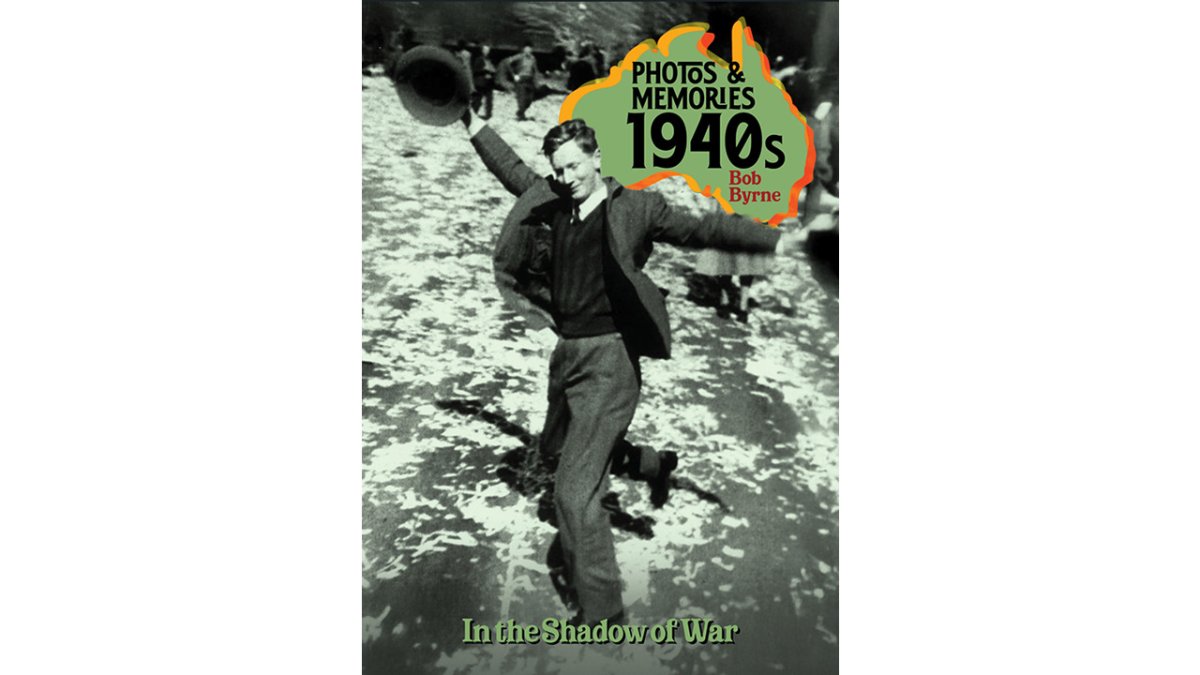
Decade-specific photo books are titles built around a single ten-year period, so the memories inside line up with the years the recipient actually lived through. The Photos and Memories series by Bob Byrne covers the 1940s, 1950s, 1960s and 1970s, each at $29.99.

These are the titles carers and family members reach for when they want precision rather than breadth. The 1950s edition moves from the end of wartime rationing to the arrival of television, the Queen's visit and the 1956 Melbourne Olympics. The 1960s volume covers Beatlemania, the shift from pounds, shillings and pence to decimal currency, the 1967 referendum, and the moon landing that closed the decade. The 1970s book takes in the Whitlam years and the Dismissal, colour television, Countdown on a Saturday night, and the arrival of metric measures.

For a 70th birthday, that level of detail is the whole point. A general history book tells your dad what happened. A decade book reminds him what he was doing when it did.
Which Decade Should You Choose?
Match the decade to the years the recipient was roughly aged 8 to 18. Those are the memories people hold most vividly, and the ones a book can most reliably trigger. Someone born in 1953 remembers the 1960s as their teenage years, so the 1960s edition lands harder than the 1950s one, even though they were alive for both.
If you are unsure, ask a sibling or an old family friend what era gets talked about most at gatherings. The answer is usually obvious once someone else is asked.
3. Why Choose Signed Nostalgia Books Over Standard Editions
Signed nostalgia books carry the author's signature on the title page, which turns a readable gift into a personal keepsake. Several titles in the Remember When Shop range, including the Photos and Memories decades series and Melbourne Remember When, are available as author-signed copies.
That signature changes how the gift is received. A standard edition is something you read and pass on. A signed copy is something you keep, and it tends to sit on the shelf rather than in a donation box. For a milestone birthday or an anniversary, that difference is worth the small premium.
There is a practical side too. Signed copies are tied to a specific author and a specific print run, so they are not the kind of thing you can pick up anywhere. If you are buying for someone who has spent decades reading about a particular era, the signature signals that you thought about them, not just about the occasion.
4. Meaningful Gifts for Elderly Parents: Beyond the Usual Hamper
Meaningful gifts for elderly parents tend to share one quality: they give the recipient something to talk about. A hamper gets eaten and forgotten. A photo book gets opened, discussed, and revisited, often with grandchildren in the room.
Book; Australia Remember When. Bob Byrne →
This is where nostalgia titles do work that ordinary gifts cannot. Growing up in Adelaide in the 1950s, edited by Susan Blackburn, collects thirteen reminiscences of childhood in that city, including the shadow of polio and the ordinary texture of suburban life. It costs $29.99. For anyone who grew up in that place and time, the recognition is immediate.
There is a second audience here that is easy to overlook. Carers in aged care and people working with dementia patients have found these books useful for reminiscence work, because a photograph or a familiar brand name can prompt a story when a direct question will not. The books do not diagnose or treat anything. They simply give people something concrete to react to, which is often enough to start a conversation.
If you are buying for a parent who has stopped wanting things, a book that invites them to tell you about their childhood is frequently the better gift.
5. City and Regional Keepsakes: Melbourne and Adelaide Remember When
City and regional keepsakes narrow the focus further, from a decade to a place. Melbourne Remember When gathers memories contributed by more than 200 readers and followers, covering the Coles Cafeteria, elephant rides at the Zoo, Waltons on Bourke Street, the Palais Theatre, the Melbourne Cup and the Block Arcade. It runs past 250 pages with more than 200 photos, and it is available as an author-signed copy at $34.99.
Adelaide Remember When: The Boomer Stories does the same job for that city, drawing on Bob Byrne's long-running nostalgia column and covering the post-war period through to the 1980s, when the city moved from a rural-based economy into manufacturing and innovation.
6. Niche Nostalgia: Utes, Born In Titles and Collectible Interests
Niche nostalgia titles work on a simple principle: the narrower the subject, the stronger the reaction when it matches. Two categories are worth knowing about.
| Gift type | Example title | Price | Best for |
|---|---|---|---|
| Wide-spanning nostalgia | Australia Remember When | $34.99 | Unsure which era to target |
| Decade-specific | Photos and Memories 1950s-1970s | $29.99 | A milestone birthday with a known era |
| City keepsake | Melbourne Remember When | $34.99 | Lifelong residents of one city |
| Birth-year title | Born in 1943? What else happened? | $25.99 | Birthday gifts tied to a specific year |
| Collectible interest | The Passion for Utes | $39.99 | Car enthusiasts and tradies |
7. How to Choose a Nostalgia Gift That Actually Lands
Choosing well comes down to four decisions, and getting them in the right order saves a lot of guessing.
- Fix the era first. Ask what decade the recipient was aged 8 to 18. That is where the strongest memories sit.
- Then fix the place. If they lived in one city their whole life, a city title beats a national one. If they moved around, stay national.
- Then pick the format. Wide-spanning for uncertainty, decade-specific for precision, birth-year for a birthday, niche for a known passion.
- Then decide on signed. Signed copies suit milestone occasions and people who keep things. Standard editions suit casual gifting.
- Check the delivery timeline. If the birthday is next week, confirm dispatch before you order rather than after.
Frequently Asked Questions
What are some nostalgic gift ideas for elderly relatives?
Books that match the era they grew up in work well. A 1950s photo book for someone born in the early 1940s, or a 1970s title for a parent who married and had children then, gives them something familiar to talk about. Add a signed copy and it becomes a keepsake rather than a general gift. Carers also use these books in reminiscence sessions because the photos prompt conversation without pressure.
Why are signed books considered meaningful nostalgia gifts?
A signature turns a book into a one-off. When you choose signed nostalgia books, the author's name on the title page marks it as something set aside from a standard retail copy. For a milestone birthday or anniversary, that detail matters: it signals the gift was chosen, not grabbed. It also gives the recipient something to show visitors, which often starts a story about the decade inside.
How do decade-specific photo books help preserve family history?
They give a shared reference point. When a parent points at a photo of a milkman with a horse and cart, or a record shop, they often start describing their own street, their own job, their own family. That is how oral history gets passed on. Decade-specific photo books Australia families use for this reason: the images are local, so the memories they trigger are local too.
Are retro-themed car books good gifts for enthusiasts?
Yes, if the person has a specific interest. A book on Australian utes, for example, covers home-built vehicles from the 1910s through to the Holden era and later, with photographs and owner stories. For someone who restored a car, raced one, or simply drove one for work, that combination of history and personal detail tends to land better than a general motoring title.
How quickly can a nostalgia book be delivered as a last-minute gift?
Delivery timing depends on your location and the shipping option chosen at checkout. Customer feedback on the shop's books frequently mentions fast delivery, but for a birthday within the next week, order as early as you can and check the estimated timeframe before confirming. If you need a signed copy, allow extra time because those are prepared individually rather than pulled from general stock.