
Books About Australian Life 1950s: Essential Reads
Table of Contents
- Why Books About Australian Life in the 1950s Matter
- Photos and Memories of Australia from the 1950s by Bob Byrne
- Growing Up in Adelaide in the 1950s: Childhood Reminiscence
- The 'Born In' Series by Ron Williams: Year-by-Year Chronicles
- How to Preserve Family Memories with Australian History Books
- Historical Fiction Set in 1950s Australia: Stories of Transformation
- 1950s Australian Social History: Post-War Suburban Life and Cultural Shifts
- Choosing the Right Book for Your Needs
Last Updated: August 19, 2026
Why Books About Australian Life in the 1950s Matter
The 1950s shaped modern Australia through the end of wartime rationing, arrival of television, suburban homeownership, and birth of teenage culture. Books about Australian life 1950s bridge understanding of how the nation transformed.
For older adults, these works unlock vivid memories of first jobs, first cars, first homes, and backyard cricket. For family members and carers, they become therapeutic tools. Healthcare professionals working with dementia patients have recognised that decade-specific books, particularly those filled with photographs and personal narratives, stimulate memory and facilitate meaningful conversation. Our nostalgia books (particularly Australia Remember When and Remember When: Snapshots of Australia 1950s - 1980s) have been widely recognised as helpful by carers in aged care and those working with people with dementia.

The post-war suburban landscape and cultural shifts created a distinctive Australian identity. Immigration brought European newcomers seeking the "New Australian" dream. The 1956 Melbourne Olympics became a symbol of national pride. These weren't abstract historical events, they were lived experiences that shaped families, communities, and the nation's character.
Photos and Memories of Australia from the 1950s by Bob Byrne
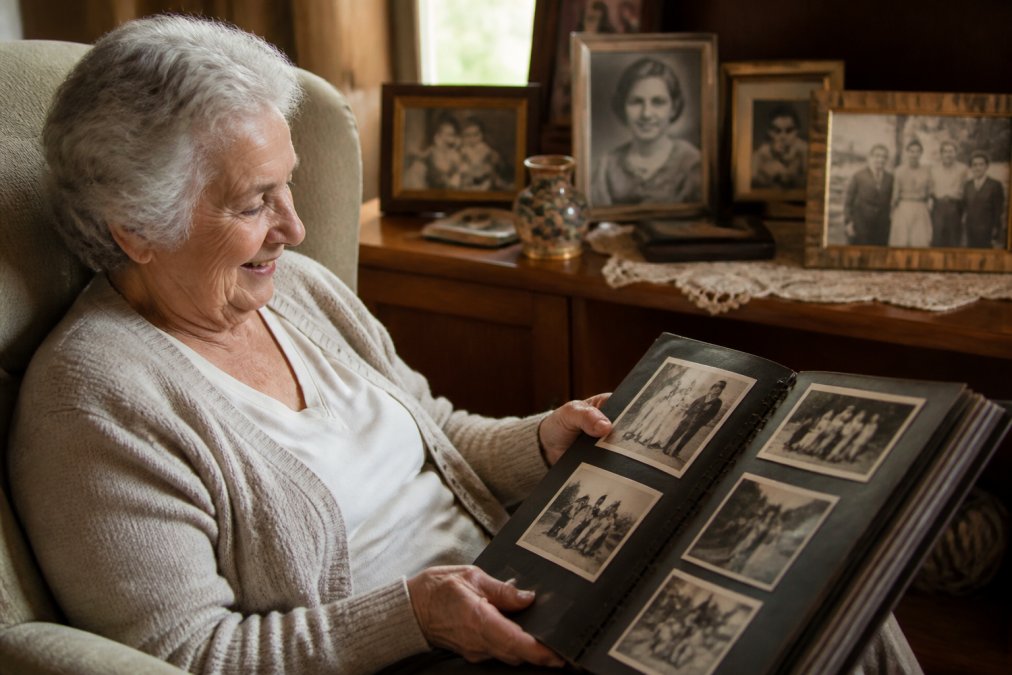
Bob Byrne's Photos and Memories of Australia from the 1950s stands as one of the most comprehensive visual chronicles of the decade. Byrne, a veteran Australian media professional with 40 years in radio broadcasting, captures stories, pictures, and memories from an era that reshaped the nation, from the end of wartime rationing to the arrival of television, from the quarter-acre suburban dream to the emergence of teenage culture.

What distinguishes Byrne's work is its focus on everyday Australians rebuilding their lives after World War II. The book documents how families embraced new suburbs, welcomed European immigrants, and celebrated during the Queen's visit and the 1956 Melbourne Olympics. First jobs, first cars, first homes, and simple pleasures of backyard cricket appear alongside broader sociocultural shifts reshaping the nation.
The 208-page paperback is available as an author-signed copy from the Remember When Shop for $29.99. Byrne's work has built a substantial following through his Australia Remember When Facebook page, which attracts over 375,000 engaged followers, reflecting the book's resonance with readers seeking authentic chronicles of the decade.
The book's strength lies in its balance between personal narrative and visual documentation. Rather than presenting the 1950s as distant history, Byrne invites readers into domestic moments that defined the era. For seniors, this sparks cherished memories. For younger readers, it provides a window into the decade that helped create modern Australia.
Growing Up in Adelaide in the 1950s: Childhood Reminiscence
Susan Blackburn's Growing Up in Adelaide in the 1950s gathers 13 contributions from people who experienced their formative years in Adelaide during the 1950s, creating a collective memoir that captures the innocence, isolation, and distinctive character of growing up in that place and time.
Blackburn, an associate professor at Monash University and specialist in Southeast Asian politics, approached the project with scholarly rigour whilst maintaining an intimate, personal tone. Her contributors describe a world where children had limited awareness of global events, comparing themselves only with those around them. This geographic and cultural isolation shaped their experiences profoundly.
The book explores both light and shadow. Most contributions celebrate happy, sunlit childhoods: freedom to roam, simple entertainment, and community closeness. Yet Blackburn acknowledges harder truths. Polio was a constant fear. Unwanted children faced neglect in orphanages. The book celebrates resilience and joy whilst recognising these darker aspects.
Available through the Remember When Shop for $29.99, this work offers particular value for readers with Adelaide connections or family memories tied to South Australia. The specificity of place, naming suburbs, landmarks, and local institutions, makes narratives feel immediate and recognisable to those who lived through the period.
The 'Born In' Series by Ron Williams: Year-by-Year Chronicles
Ron Williams's Born In series represents a unique approach to documenting 1950s Australian life. Rather than thematic narratives or photographic retrospectives, Williams created year-by-year chronicles beginning in 1939, with multiple volumes covering the 1950s. Each book captures the happenings, cultural moments, and lived experiences that affected real people during that specific year.
The series is deliberately designed to "push your buttons, to make you remember and wonder at things forgotten." Williams describes the books as bridges between generations, tools that let nostalgia surface so that older and younger people can talk about the past and rediscover heritage otherwise lost.
Each volume covers a distinct year with remarkable specificity. The 1950 edition documents the Dugan and Mears gaol breakout and the end of petrol rationing. The 1951 volume explores hire purchase culture and kangaroo gluts affecting farmers. The 1952 edition captures Bob Menzies' political prominence and the Korean War's toll. The 1954 volume covers Queen Elizabeth II's visit and the emergence of rock and roll culture. The 1955 edition documents polio vaccinations and the Sydney Opera House design competition. The 1956 volume captures the Melbourne Olympics. The 1957 edition explores Sputnik and the Sydney Opera House funding crisis. The 1958 volume documents school milk debates and institutional controversies.

The Remember When Shop stocks multiple volumes from the series, each priced at $25.99:
| Year | Key Historical Events | Best For |
|---|---|---|
| Born in 1950 | Post-war rationing end, criminal underworld | Those seeking cultural context for early 1950s |
| Born in 1951 | Coal industry disputes, consumer culture | Understanding working-class experiences |
| Born in 1952 | Korean War era, women's changing roles | Mid-century social shifts |
| Born in 1954 | Royal visit, Cold War anxieties | National pride and geopolitical context |
| Born in 1955 | Polio vaccination campaigns, Opera House | Medical and architectural milestones |
| Born in 1956 | Olympic Games, Suez crisis | Olympic era significance |
| Born in 1957 | Space race, cultural anxieties | Post-war technological change |
| Born in 1958 | Institutional and commercial tensions | Late 1950s social character |
What makes Williams's series particularly valuable for reminiscence therapy is the specificity of each volume. Rather than asking a resident to recall "the 1950s," carers can ask about a specific year, triggering memories tied to actual events and lived experience.
How to Preserve Family Memories with Australian History Books
Using books about Australian life 1950s to preserve and share family memories requires intentional strategy. Begin by identifying which books align with your family's specific experiences. If your parents or grandparents lived in Adelaide, Susan Blackburn's work offers immediate relevance. If they were born in a specific year covered by the Born In series, those volumes provide year-by-year context. If they have broad 1950s memories, Bob Byrne's photographic chronicle captures the era's sweeping changes.
Engage actively with the material. Rather than giving a book as a passive gift, use it as a conversation catalyst. Ask older family members to point out familiar places in photographs, identify people they knew, or describe how their experiences matched the narratives presented. Record these conversations through written notes, audio recordings, or video to capture stories that emerge.
Create a memory project around the book. Some families compile their own photographs alongside passages from the text, creating a hybrid family history. Others use the book as inspiration for writing down family stories that might otherwise be lost. Consider gifting books to younger family members alongside older relatives. When a grandparent and grandchild read the same book, they gain common ground for conversation. cultural tours in Australia.
For those working with dementia or memory loss, the specificity of decade-focused books proves therapeutically valuable. Rather than asking "Tell me about your childhood," a carer can ask "What do you remember about the 1956 Olympics?" These anchored questions often elicit richer, more detailed responses than open-ended prompts.
Historical Fiction Set in 1950s Australia: Stories of Transformation
Beyond memoirs and photographic chronicles, historical fiction set in 1950s Australia offers another pathway into the era's sociocultural landscape. Fiction allows writers to explore the emotional and psychological dimensions of lived experience, the tensions, aspirations, fears, and joys that shaped people's daily lives.
Historical fiction set in the 1950s often explores the post-war suburban dream and its contradictions. Characters grapple with the promise of new homes and opportunities whilst navigating the constraints of social convention, gender roles, and economic uncertainty. Immigration narratives feature prominently, depicting the experiences of European newcomers and the cultural tensions that accompanied rapid demographic change.
The Cold War casts a shadow across many 1950s narratives. Whilst Australia experienced no direct military conflict, ideological anxieties permeated suburban life. Fear of communism, nuclear anxiety, and geopolitical uncertainty shaped attitudes and policy in ways fiction illuminates vividly.
Coming-of-age narratives set in the 1950s capture the emergence of teenage culture. Rock and roll, American cultural influence, and generational tension created a distinctive youth experience that helped birth the cultural revolutions of subsequent decades.
1950s Australian Social History: Post-War Suburban Life and Cultural Shifts
Understanding 1950s Australian social history requires grasping the profound transformations that reshaped the nation after World War II. The suburban expansion represented a fundamental reimagining of Australian identity, family life, and national aspiration.
Post-war suburban development created new communities from scratch. Families moved from inner-city terraces into purpose-built suburbs with standardised housing, wide streets, and the promise of space and ownership. The "quarter-acre block" became emblematic of Australian aspiration, representing the good life accessible to working-class families through government-backed loans.
Immigration transformed the nation's demographic and cultural character. European migrants, particularly from Italy, Greece, and Poland, arrived in unprecedented numbers seeking economic opportunity. The "New Australian" experience brought cultural richness but also social tension. Established Anglo-Australian communities sometimes resisted newcomers, yet their labour was essential to the nation's development.
The domestic sphere underwent significant change. Whilst women's roles remained constrained by conservative expectations, new consumer goods, refrigerators, washing machines, televisions, began reshaping household life. The 1950s witnessed the emergence of consumer culture, with advertising and material acquisition becoming increasingly central to Australian identity.
The 1956 Melbourne Olympics represented a pivotal moment. Television broadcast the Games into Australian homes for the first time, creating a shared national experience and showcasing the nation to the world. The event symbolised Australia's emergence as a modern, progressive nation.
Cold War anxieties, though less immediately threatening than in other nations, shaped Australian consciousness. Political divisions, espionage concerns, and nuclear anxiety permeated public discourse. These geopolitical tensions coexisted with the optimism and aspiration that characterised the era's domestic development.
Books about Australian life 1950s that engage with social history preserve the texture and complexity of this transformative period, capturing not just the facts of what changed but the lived experience of people navigating those changes.
Choosing the Right Book for Your Needs
Selecting the right book about Australian life 1950s depends on your specific interests, relationship to the era, and intended use.
For broad photographic retrospectives: Bob Byrne's Photos and Memories of Australia from the 1950s offers comprehensive visual documentation of the decade's major themes. Author-signed copies available through the Remember When Shop add a personal dimension that transforms the book into a keepsake.
For specific geographic connection: If you have Adelaide ties or family memories rooted in South Australia, Susan Blackburn's Growing Up in Adelaide in the 1950s provides place-specific narratives that trigger location-anchored memories. The focus on childhood makes it particularly valuable for reconnecting with formative years.
For year-by-year cultural context: Ron Williams's Born In series serves readers seeking to understand the specific happenings and cultural moments of a particular year. If you know a significant year in your family history, these volumes provide targeted context that often proves more effective for reminiscence therapy than broader decade-based approaches.
For therapeutic and aged care settings: Our nostalgia books (particularly Australia Remember When and Remember When: Snapshots of Australia 1950s - 1980s) have been widely recognised as helpful by carers in aged care and those working with people with dementia. The specific photographic content, decade-focused narratives, and author-signed copies create multiple engagement points that facilitate conversation and memory activation.
For gift-giving: Consider the recipient's specific connection to the era. A 70th birthday gift for someone born in 1956 might pair the Born In 1956 volume with Byrne's photographic chronicle. An anniversary gift for parents or grandparents with South Australian connections might centre on the Adelaide-specific book. Author-signed copies add emotional value that generic retail alternatives cannot match.
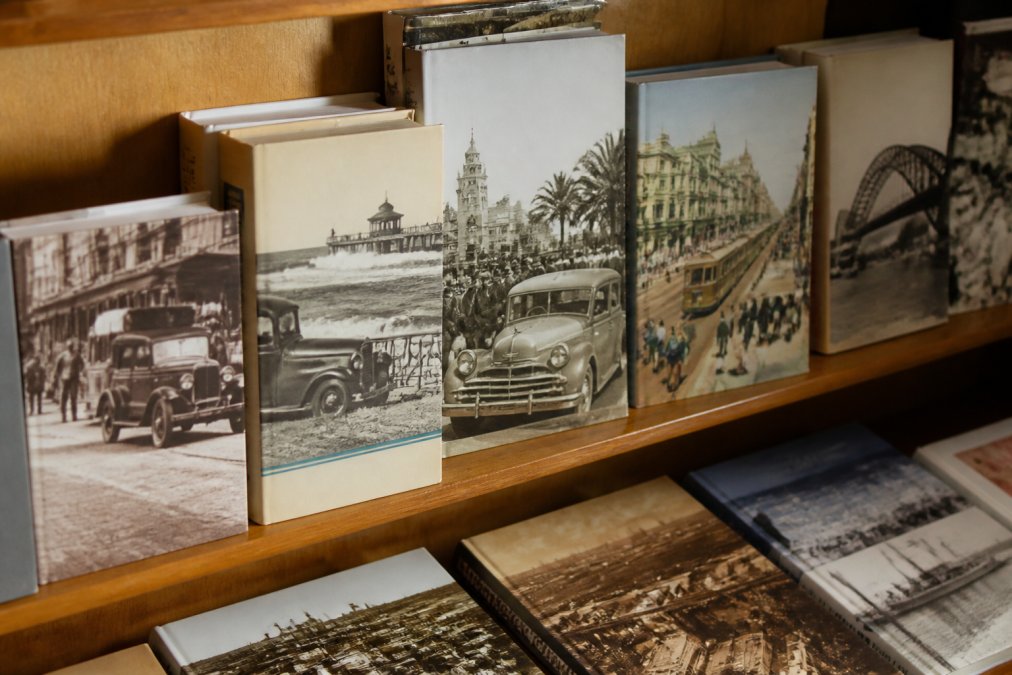
All the books discussed in this guide are available through the Remember When Shop, which specialises in curating Australian nostalgia collections. The Remember When Shop's commitment to stocking author-signed copies and decade-specific materials makes it a trusted source for those seeking authentic, meaningful connections to Australia's post-war history. Whether you're selecting a gift, engaging in reminiscence therapy, or reconnecting with your own memories, these works offer pathways back to a transformative era that shaped modern Australia.
Reconnecting with Australian life in the 1950s through books offers more than historical knowledge, it creates bridges between generations and sparks meaningful conversations. The Remember When Shop's curated collection of decade-specific works, author-signed copies, and therapeutic-grade materials provides the resources you need to engage authentically with this transformative era. Whether for personal reminiscence, family gift-giving, or professional aged care settings, these books deliver the nostalgic connection and historical depth that make the 1950s come alive. Explore the Remember When Shop collection today and discover how books about Australian life 1950s can unlock cherished memories and create new conversations across generations.
Frequently Asked Questions
How can books about Australian life in the 1950s help with reminiscence therapy?
Books about Australian life in the 1950s are particularly effective in reminiscence therapy because they trigger genuine personal memories through familiar scenes, everyday objects, and cultural moments. Carers in aged care facilities use these books to encourage conversation and engagement, especially with residents who lived through the decade. The visual and narrative elements help people with dementia access long-term memories more easily than abstract discussion. Photo-rich titles like 'Photos and Memories of Australia from the 1950s' work especially well because images often unlock memories before words do.
What makes historical fiction set in 1950s Australia different from non-fiction books?
Historical fiction set in 1950s Australia blends factual events with imagined narratives and character development, allowing readers to experience the era through personal stories. Non-fiction books like the 'Born In' series document actual events and cultural moments year by year. Fiction offers emotional depth and intimate perspectives on how ordinary people navigated post-war life, immigration, and suburban development, while non-fiction provides chronological records and verified facts. Many readers find fiction more engaging for understanding the human experience, while non-fiction appeals to those seeking specific historical documentation.
Are these 1950s Australian social history books suitable as gifts for someone with dementia?
Yes, books documenting 1950s Australian social history are widely recognised as helpful for people with dementia. The visual content, familiar cultural references, and personal stories encourage conversation and emotional connection without requiring sustained concentration. Many carers report that residents engage more readily with photo-rich books than with other activities. However, choose titles with large, clear images and simple text. 'Photos and Memories of Australia from the 1950s' and 'Growing Up in Adelaide in the 1950s' are particularly effective because they balance nostalgia with accessibility. Start with shorter sessions to gauge engagement.
How do I know which year-specific 'Born In' book to choose?
The 'Born In' series by Ron Williams covers each year from 1939 onwards, with individual titles for 1950 through 1958 and beyond. Choose the year matching the person's birth year or the decade they most vividly remember. Each book documents significant events, cultural moments, and everyday life specific to that year in Australia. For example, 'Born in 1956? What else happened?' covers the Melbourne Olympics and the Suez crisis alongside local stories. If you're unsure of exact birth year, choose a year within the decade they frequently mention in conversation. These books cost $25.99 each and work well as personalised gifts.
Can I use these books to help preserve my family's memories from the 1950s?
Absolutely. Books about Australian life in the 1950s serve as anchors for family storytelling and memory preservation. Reading them together prompts older relatives to share their own experiences, which younger family members can record or write down. Photo-based titles spark specific recollections about homes, neighbourhoods, and everyday moments. Many families use these books during gatherings to encourage intergenerational conversation. Some people annotate their copies with personal notes or use them as prompts to organise family photographs. This approach transforms the books into interactive family history tools rather than passive reading material.
This article was written using GrandRanker