

Buy Signed Australian History Books: A Collector's Guide
Table of Contents
- Why Signed Australian History Books Matter
- How to Authenticate Signed Books
- Rare Australian History Books Worth Collecting
- Book Preservation Tips for Collectors
- Investing in Antiquarian Books Australia
- Where to Find Signed Australian History Books
- Conclusion
Last Updated: August 8, 2026
Why Signed Australian History Books Matter
Collecting signed Australian history books means holding a tangible connection to the voices that shaped this nation. A signed first edition transforms a book from a mass-produced object into something irreplaceable. For older Australians reconnecting with their past, these books serve as memory triggers. For carers working with people experiencing dementia, signed Australian history books have become recognised tools for reminiscence therapy, sparking conversation and engagement in ways generic books often fail to do.
At Remember When Shop, we've curated collections of signed Australian history books specifically designed to evoke these connections. Books like Australia Remember When by Bob Byrne, available as author-signed copies, combine decade-specific photography with personal inscriptions that add genuine value, both emotionally and as collectible items.

Signed first editions, particularly those by respected historians, tend to hold or appreciate in value over time. Unlike mass-market paperbacks, a signed copy with good provenance becomes increasingly scarce as years pass. The signature is authentication, the edition is rarity, and together they create a genuinely collectible object.
How to Authenticate Signed Books
Authenticating a signed Australian history book requires attention to detail. Genuine author signatures typically show natural variation, slight differences in pressure, slant, and letterforms across multiple copies. Forged signatures often look mechanically identical, printed rather than written, or suspiciously perfect.
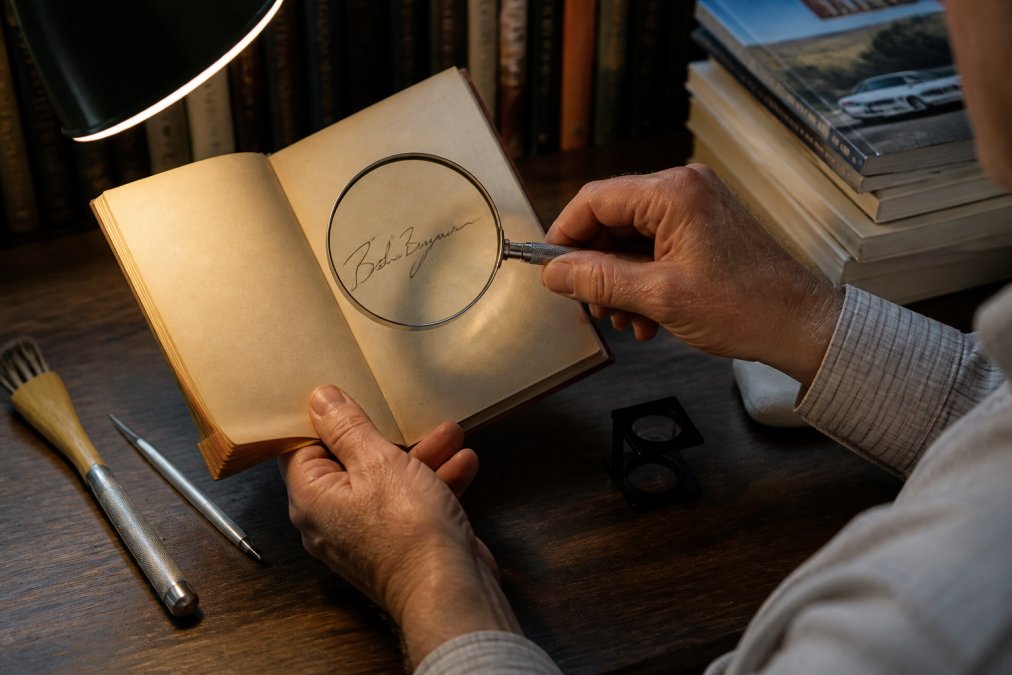
Examine the ink closely. Genuine signatures typically use standard pen ink that may have faded slightly over decades. The ink should sit on top of the paper rather than appearing printed. Run your finger lightly across the signature; you should feel slight texture variations where the pen pressed into the paper. Flat, glossy signatures suggest reproduction rather than genuine handwriting.
Provenance matters enormously. A signed book with documented history, purchased at a book launch, inherited from someone who knew the author, or acquired through a reputable dealer with records, carries far more weight than an anonymous copy. Ask sellers for documentation.
Publication details provide context clues. Determine whether the book was signed during the author's lifetime and whether the edition matches the signing period. Cross-reference the publication date, edition number, and any event details against known information about the author's public appearances. If the book is supposedly signed at an event that records suggest never happened, that's a significant warning sign.
Consider the condition and presentation. Books signed at public events often show consistent wear patterns appropriate to their age. A supposedly decades-old signed book in pristine condition warrants scepticism. For high-value purchases, third-party authentication services exist, though building relationships with specialist dealers is more practical for Australian history books.
Rare Australian History Books Worth Collecting
The most collectible signed Australian history books fall into distinct categories. Decade-specific social history represents one of the strongest categories for collectors seeking nostalgic value combined with genuine rarity. Bob Byrne's Australia Remember When series, including city-specific editions like Melbourne Remember When and Adelaide Remember When, combine primary source photography from the 1950s-1980s with the author's personal handwritten inscription. They're particularly valuable for reminiscence therapy in aged care settings.

First Nations history and colonial accounts represent another critical collecting category. Books documenting Indigenous Australian history, exploration journals, and early colonial records have become increasingly sought after as their historical significance and scarcity are recognised.
Military and regimental histories form a substantial subset of the Australian history collectible market. Unit histories, war memoirs by serving officers, and accounts of specific campaigns, particularly those signed by the author, attract dedicated collectors and maintain strong value.
Regional and local histories deserve attention from collectors with geographic or family connections. A signed copy of a local history book can become a genuine heirloom, especially if the author was a respected community figure.
The investment principle is straightforward: scarcity plus provenance plus condition equals value. A signed first edition of a respected Australian history book in good condition with clear provenance will almost always outperform an unsigned copy or later printing.
Book Preservation Tips for Collectors
Preserving signed Australian history books requires understanding the specific threats to paper, ink, and binding over time. Temperature and humidity are the primary enemies. Maintain a stable environment, ideally between 16-21°C and 30-40% relative humidity. Basements and attics are typically poor choices because temperature swings are dramatic and humidity control is difficult.
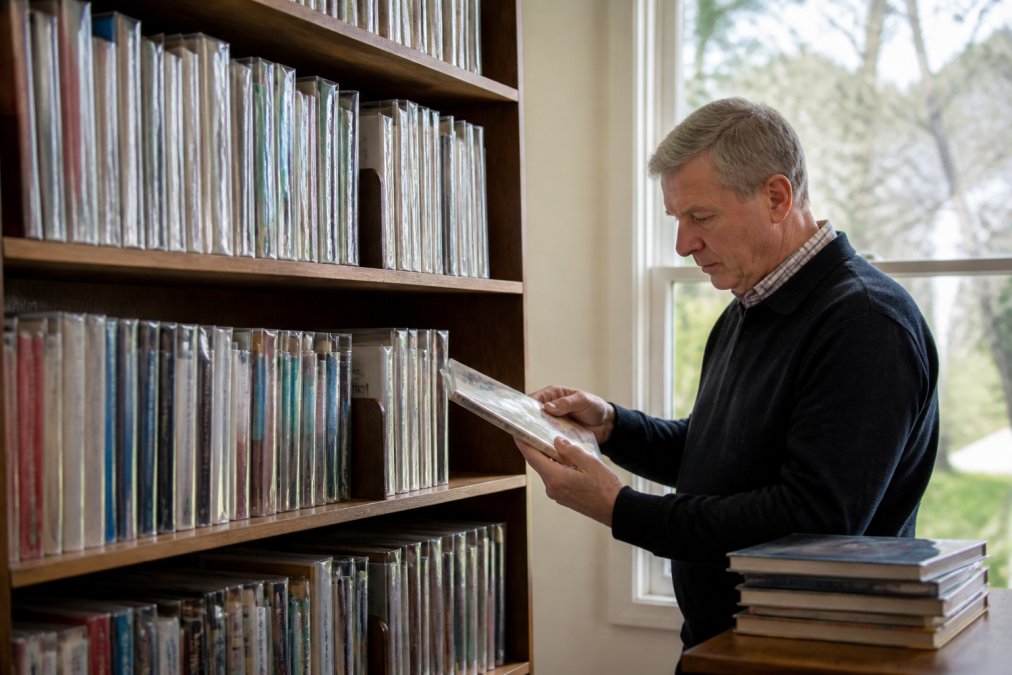
Light exposure degrades paper and fades ink relentlessly. Keep signed books away from direct sunlight and fluorescent lighting. Store them in a cool, dark place; a bookshelf in an interior room beats a windowed study.
Dust jackets are protective barriers. Keep them on the book unless severely damaged. If deteriorating, consider having it professionally wrapped in acid-free Mylar rather than removing it.
Handle signed books with clean, dry hands. Support the spine properly, never bend it backwards or force pages open. Store books upright or lying flat, never at an angle.
Acid-free storage materials are non-negotiable for valuable signed copies. Use acid-free boxes, tissue, and sleeves. For particularly valuable books, consider archival-quality protective enclosures from specialist suppliers.
Avoid amateur restoration. Water damage, stains, or loose bindings should be assessed by a professional book conservator. DIY repairs cause permanent damage that reduces value and authenticity.
Climate control devices like dehumidifiers help in humid climates. Australia's varied climates require region-specific approaches. Coastal areas and tropical regions need active humidity management; inland areas may need humidification in winter.
Investing in Antiquarian Books Australia
The antiquarian book market in Australia has matured significantly. Serious collectors now recognise signed Australian history books as legitimate investment assets.
Appreciation drivers centre on scarcity, provenance, and subject relevance. A signed first edition of a respected Australian history book typically appreciates 3-5% annually, with stronger appreciation during periods of heightened interest in Australian cultural heritage. Books that become scarce appreciate more rapidly.
Condition grade directly impacts investment value. A Fine copy of a signed Australian history book commands 30-50% premium over a Good copy. For valuable signed editions, the difference between Fine and Very Good can represent hundreds of dollars.
Market timing in the antiquarian sector differs from financial markets. Books appreciate gradually as their scarcity increases and historical significance deepens. The best investment strategy is to purchase books you genuinely value and can store properly, understanding that appreciation is a secondary benefit.
Tax and insurance considerations matter for serious collectors. Valuable signed books should be listed on your home and contents insurance, with professional valuations for items exceeding a few hundred dollars. Keep documentation of purchases, condition assessments, and any conservation work performed.
The Australian antiquarian market rewards patience and knowledge. A signed copy of Australia Remember When purchased today from Remember When Shop at $34.99 may well appreciate to $50-70 within 10-15 years if kept in good condition, respectable appreciation for a book you'll genuinely enjoy.

Where to Find Signed Australian History Books
Finding quality signed Australian history books requires knowing where to look. Specialist dealers remain the gold standard for authenticated, curated collections. Remember When Shop specialises specifically in signed Australian nostalgia and history books, offering titles like Australia Remember When and Adelaide Remember When by Bob Byrne as author-signed copies. Their focus on decade-specific social history and proven track record in aged care makes them a natural starting point for collectors.
Online marketplaces like AbeBooks and eBay Australia offer volume and variety but require careful vetting. Prices vary dramatically depending on seller expertise.
Antiquarian book fairs and auctions occur regularly across Australian cities, allowing collectors to inspect multiple signed books in person and meet dealers.
Direct from authors remains an option for recently published signed titles. Following Australian history authors on social media or through publisher newsletters alerts you to signing events.
Prioritise reputable dealers over bargain hunting. A signed book purchased from a trusted source with clear provenance costs more upfront but saves money long-term by avoiding authentication problems and condition surprises.
Collecting signed Australian history books connects you to the voices and stories that shaped this nation. Whether you're building a collection for investment, seeking meaningful gifts for older relatives, or sourcing books for reminiscence therapy in aged care settings, the market offers genuine opportunities. Start with Remember When Shop's curated collection of author-signed titles, books like Australia Remember When ($34.99) and Adelaide Remember When ($34.99) combine accessibility with authenticity. From there, expand into specialist dealers and authenticated sources as your knowledge and collection grow. The signature on the page is proof that history was written by real people, and you're holding their words in your hands.
Frequently Asked Questions
How can I verify the authenticity of a signed Australian history book?
Authentic signatures typically show consistent pen pressure, natural variations in letterforms, and match known exemplars from the author. Examine the signature placement, most authors sign consistently on the title page or inside front cover. Request provenance documentation from reputable sellers, check for any inconsistencies in ink colour or pen type, and compare against verified examples. Specialist dealers like Bookhome Sydney provide detailed condition and signature descriptions. When buying from Remember When Shop, author-signed copies come with the assurance of direct sourcing from the author themselves, eliminating authentication concerns.
What makes a signed first edition of an Australian history book more valuable to collectors?
Signed editions command premium prices because they represent direct connection to the author and are typically produced in limited quantities. A first edition that is signed by the author becomes a unique collectible artefact rather than just a book. Rarity, condition, and the author's historical significance all influence value. Books like Australia Remember When by Bob Byrne, available signed at $34.99 from Remember When Shop, appeal to collectors seeking both nostalgic Australian social history and authentic author provenance. The combination of first edition status and handwritten signature creates scarcity that appeals to serious bibliophiles.
Are signed Australian history books a good investment?
Signed antiquarian books can appreciate in value, particularly first editions of historically significant works covering colonial history, First Nations perspectives, or military accounts. Investment potential depends on condition, rarity, author reputation, and subject matter relevance. Books focusing on specific Australian eras, the 1950s-1980s social history, early exploration narratives, or Indigenous history, tend to hold value well. However, investment success requires careful selection, proper preservation, and purchasing from established dealers. Rather than speculative investment, many collectors find signed Australian history books valuable for their cultural significance and personal connection to Australia's literary heritage.
How should I store and preserve my signed historical book collection?
Store books upright on shelves with adequate spacing to prevent warping, or lay larger volumes flat. Maintain consistent temperature (18-21°C) and humidity (30-40%) to prevent mould and paper degradation. Keep books away from direct sunlight, heat sources, and damp areas. Use acid-free tissue paper or archival-quality dust jackets for protection. Handle signed copies with clean, dry hands to avoid transferring oils or moisture to the signature. For valuable items, consider custom archival boxes. Regular inspection for foxing, insect damage, or deterioration helps catch problems early. These preservation practices ensure your signed Australian history books remain in collectible condition for decades.
This article was written using GrandRanker