

Group Gifts for Milestone Birthdays: How to Organise One
Last Updated: November 14, 2026
Quick Summary
To organise a group gift for a milestone birthday, appoint one organiser and start eight weeks out, sending a contribution message with a suggested amount range and a clear deadline. Close contributions three weeks before the event, order the gift, and present it with a card signed by every contributor.
- One organiser should own the collection link, reminders and final purchase, not a committee.
- A suggested range such as $20 to $60 removes pressure better than a fixed amount.
- Close contributions three weeks out and order the gift to allow for delivery delays.
- Build a buffer of five to ten per cent of the gift cost for card, postage and fees.
- Keep individual amounts private and share only the total and number of contributors.
Table of Contents
- Why Group Gifting Works for Milestone Birthdays
- Step 1: Pick a Group Organizer and Set a Timeline
- Step 2: Decide How Much to Contribute to a Group Gift
- Step 3: Choose Group Birthday Gift Ideas by Milestone Age
- Step 4: Set Up Group Gift Collection Tools
- Step 5: Write a Group Gift Contribution Message That Gets Replies
- Step 6: Handle Disagreements, Late Payers and Tight Budgets
- Step 7: Present the Gift So Everyone Feels Included
- Frequently Asked Questions
Why Group Gifting Works for Milestone Birthdays
A group gift works when someone takes charge early and keeps everyone informed.
It suits milestone birthdays for three reasons:
- Bigger budget, better gift. Ten people chipping in modest amounts buys something genuinely memorable.
- Less duplication. No more three toasters and four bottles of wine.
- Shared sentiment. A group card signed by everyone carries weight a solo gift cannot match.
A 70th or 80th marks a real chapter, and a joint gift lets people mark it properly.
The tricky part is coordination. Here are seven steps that take a milestone group gift from idea to presentation, including the timelines, budgets and awkward moments most guides skip.
If you also want ideas for the celebration itself, our guide on how to celebrate a milestone birthday at home covers the party side.
Step 1: Pick a Group Organizer and Set a Timeline
One person should own the process. Not a committee. One organiser with a clear brief.
The group organizer handles the collection link, reminders and final purchase. Ideally this is someone close to the recipient but not also managing the party, catering and guest list. Split the roles if you can.
A Practical Countdown from Eight Weeks Out
Most milestone group gifts fall apart because people start too late. Here is a timeline that works:
| When | Task | Who |
|---|---|---|
| 8 weeks out | Confirm organiser, agree budget range, shortlist gift ideas | Organiser |
| 6 weeks out | Send first contribution message with payment link | Organiser |
| 4 weeks out | Check progress, send gentle reminder to non-payers | Organiser |
| 3 weeks out | Close contributions, order the gift | Organiser |
| 2 weeks out | Confirm delivery address and timing | Organiser |
| 1 week out | Buy card, prepare presentation, brief the group | Organiser |
Eight weeks leaves room for late payers and delivery delays.
Watch out: leaving the order until the final week is the single most common mistake. Signed or personalised items can take longer to arrive than standard ones.
Step 2: Decide How Much to Contribute to a Group Gift
There is no fixed rule, which is why people get anxious.
A suggested range rather than a fixed amount works best. Something like "anywhere from $20 to $60, whatever suits" removes pressure while giving people a guide.
A few principles that keep it fair:
- Suggest, don't demand. A range lets people self-select.
- Keep amounts private. Only the organiser should see who gave what.
- Never chase the biggest contributors for more. It breeds resentment.
- Cover the card and postage from the pool. Budget for these upfront.
If the group is large, a lower suggested amount still adds up quickly. If the group is small, be realistic about what the gift actually costs before you set the range.
Step 3: Choose Group Birthday Gift Ideas by Milestone Age
Good group birthday gift ideas match the recipient's era and life stage, not just their age.
Ask three questions: What does the recipient talk about most? What do they already have plenty of? What would they never buy for themselves? The answers usually point to one of five gift types that suit group contributions.
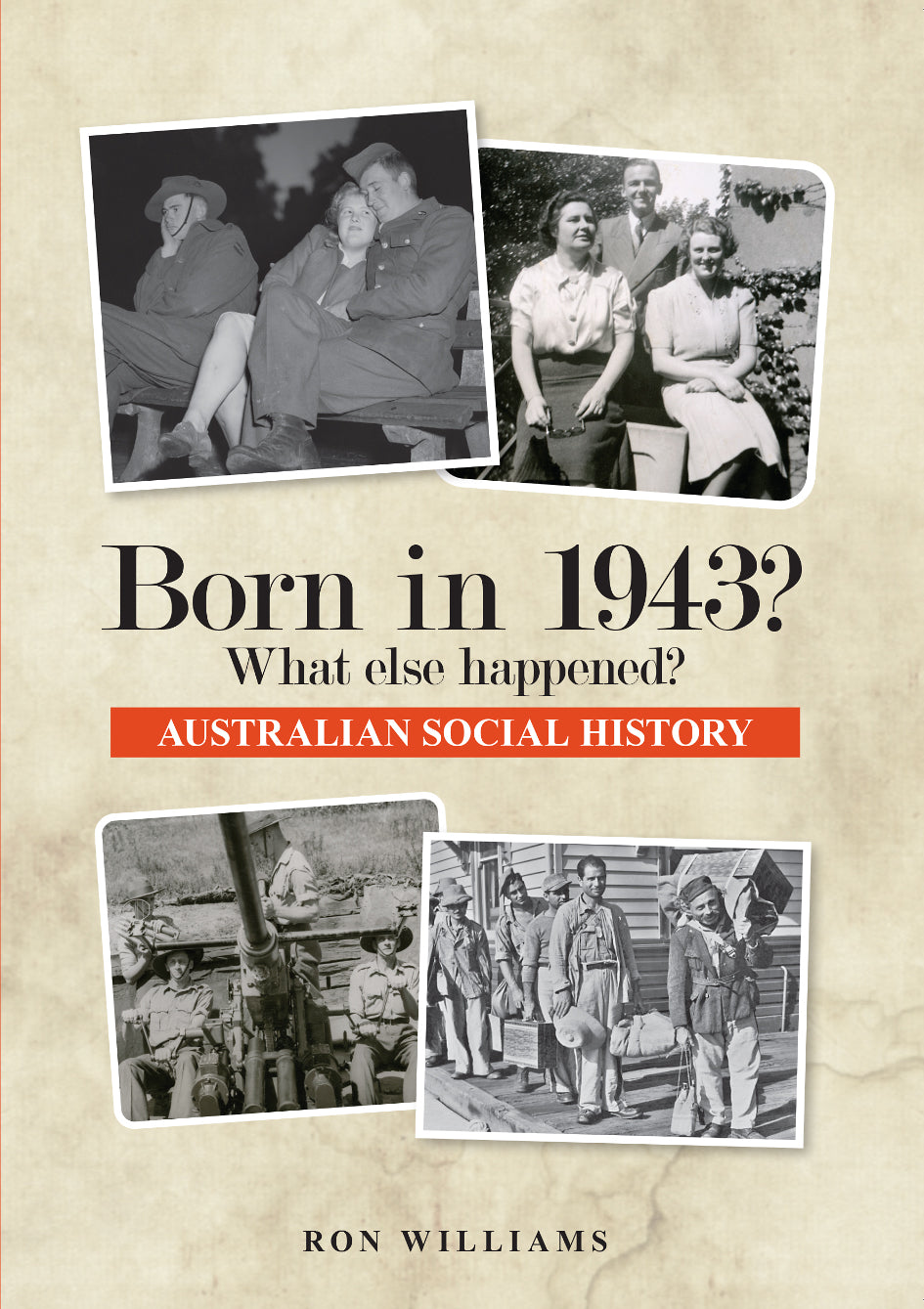
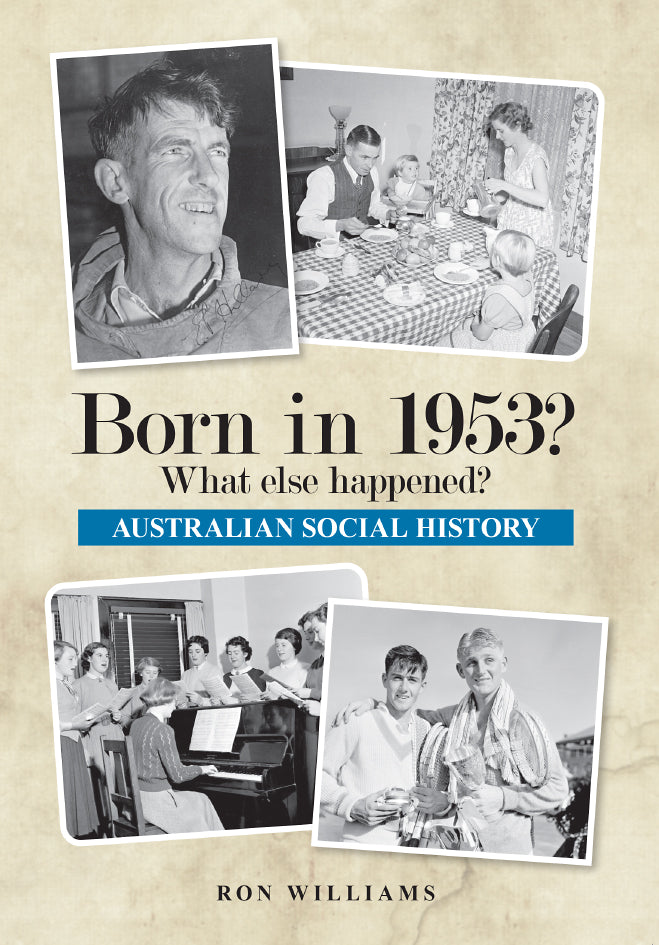
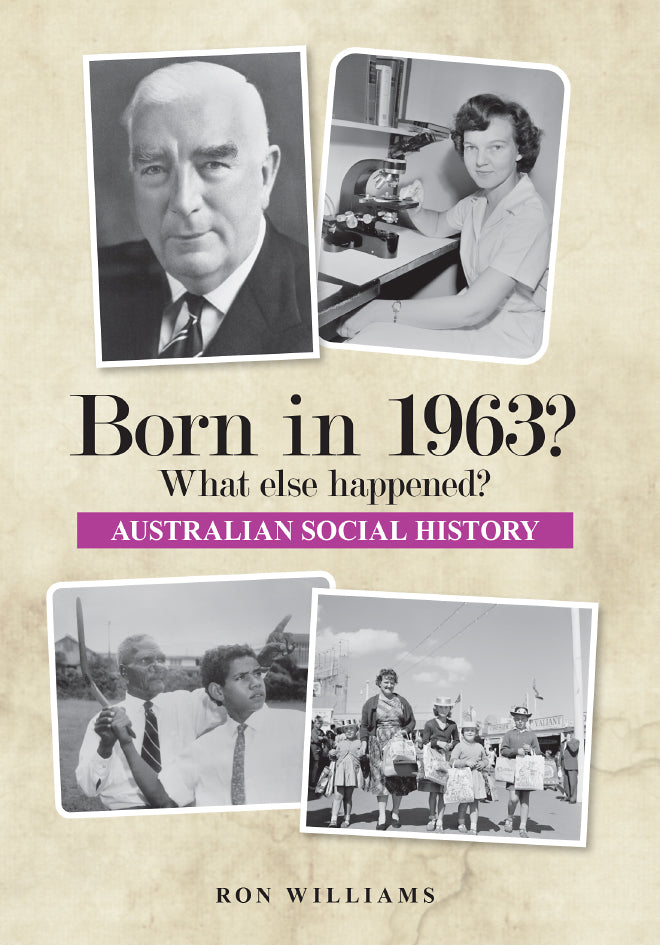
Nostalgia and memory-based gifts. A decade-specific book tied to the recipient's birth year, a framed front page from the day they were born, or a custom photo book of family history. For a 60th birthday, a title like Born in 1963? What else happened? covers the year itself. For older recipients, our roundup of nostalgia gifts that spark memories has more options. We also stock titles like Born in 1943 and Born in 1953, each $25.99, which suit 80th and 70th celebrations.
Experience gifts. A family lunch, a day out, a wine tour, or tickets to a show. These suit recipients who already have enough possessions.
Curated hampers. A themed hamper built around a shared interest such as gardening, cooking or travel.
A contribution to something bigger. A donation to a cause the recipient supports, a contribution toward a trip, or a fund for a shared family project.
Matching the gift to the milestone
Different milestones carry different expectations. A 30th often suits an experience or quality gear; a 40th something for the home or family-oriented; a 50th or 60th nostalgia, a significant experience, or a keepsake; a 70th or 80th usually values sentiment and family connection over utility. Not rules, but useful for narrowing the shortlist.
A simple process for narrowing choices
Gather three to five suggestions from the group, with one reason each. The organiser then checks the shortlist against three filters: does it suit the recipient's interests, is it within budget, and can it be delivered or booked in time? If two are close, pick the one that involves more contributors in the story.
Watch out: letting the group vote on every detail turns a gift into a committee project. Set a deadline for suggestions, then let the organiser make the final call.
If you want a deeper look at why these titles suit milestone occasions, read our piece on the benefits of gifting history books for milestone birthdays. And if you are leaning toward a book, our guide on choosing books that make meaningful gifts explains what separates a thoughtful pick from a generic one.
Step 4: Set Up Group Gift Collection Tools
Cash in an envelope is a recipe for confusion. Use a group gift collection tool so every contribution is tracked and visible to the organiser. Pick it before you send the first message.
The options generally fall into three groups:
- Payment apps with request features. Fast and familiar, but tracking who has paid takes manual reconciliation.
- **
- A shared spreadsheet plus bank transfer. Free, but relies on everyone checking it and on you matching transfers to names. Works for five to ten people; becomes unwieldy beyond that.
Set it up before the first message and include the link in every communication. The same clear split keeps contributions straightforward when organising a shared gift for another occasion, with HOMEROOM HUMOR offering a useful point of comparison.
Watch out: mixing methods, some paying cash, some transferring, some using an app, makes reconciliation a nightmare. Pick one and stick to it.
Tracking contributions transparently
Keep a simple record with three columns: name, amount, and date paid. Share only the total and the number of contributors with the group, never individual amounts. If the platform shows a progress bar, use it; if not, send a brief update at the halfway point and again when contributions close.
Handling shortfalls, late payments, and refunds
Not every group hits its target. Plan for three scenarios before they happen.
Shortfall. If contributions fall short, either choose a less expensive gift that fits the amount raised, or ask whether anyone wants to top up. Never pressure people to cover the gap.
Late payments. Send one private reminder two weeks before the deadline and one final note on the deadline itself. If someone still has not paid, do not delay the order. Either cover the shortfall from the pool or adjust the gift.
Refunds. If the gift falls through, such as a cancelled experience or a delivery that cannot be fulfilled, refund each contributor in the same proportion they paid.
International contributors
If family or friends are overseas, check that your platform accepts international cards and note any currency conversion fees. State the suggested amount in AUD and let them know their bank may apply its own conversion rate. If international payments are not supported, offer a direct bank transfer with details sent privately, and record it in the same tracker.
A contingency buffer
Build a small buffer into the budget, roughly five to ten per cent of the gift cost, to cover card, postage, platform fees, and minor price changes. If unused, return it proportionally or put it toward the card and presentation. Tell the group upfront so nobody is surprised.
Step 5: Write a Group Gift Contribution Message That Gets Replies
A good group gift contribution message does four things: it explains the occasion, states the suggested amount, gives the link, and sets a clear deadline.
Here is a template you can adapt:
Hi everyone, we're putting together a group gift for [Name]'s [milestone] birthday. If you'd like to contribute, the suggested range is [$X to $Y], whatever suits. Here's the link: [link]. We'll close contributions on [date] so we can order in time. No pressure at all, and please keep it quiet so it stays a surprise. Thanks, [Organiser]
Keep it short. Long messages get skimmed and ignored.
Send it once, then follow up only with people who have not responded. One polite reminder two weeks before the deadline is enough, chasing repeatedly makes the gift feel like a bill.
Step 6: Handle Disagreements, Late Payers and Tight Budgets
Every group gift hits a snag. The question is how you handle it.
When contributors disagree on the gift, the organiser makes the call. Gather opinions, then decide.
When someone is late paying, send one private reminder.
When budgets are tight, make it easy for people to opt out quietly.
When contributors are overseas, check the payment platform accepts international cards before you send the link. Otherwise, offer a simple alternative.
Step 7: Present the Gift So Everyone Feels Included
The presentation matters as much as the gift. A group gift should feel like it came from everyone, not just the organiser.

A few practical touches:
- Pass the card around before the event so everyone can sign it, including those who could not attend.
- Name every contributor on the card, even those who gave a small amount.
- Hand it over in person if possible, or arrange a video call for remote family.
- Take a photo of the recipient with the gift and share it with the group.
That last step matters more than people realise. Contributors want to see the moment their money helped create.
Organising a group gift for a milestone birthday takes a little planning, but the payoff is a present the recipient will actually remember.
Frequently Asked Questions
How far in advance should you organise a group gift?
Start about six to eight weeks before the birthday. That gives you time to confirm the recipient's interests, agree on a contribution amount, and chase late payments without panic. If the gift needs personalisation or delivery outside your city, add another two weeks. For a signed copy or a custom order, lock it in four weeks ahead so postage delays do not ruin the surprise.
How much should each person contribute to a group birthday gift?
There is no fixed rule, but a common approach is to set a range rather than a single figure, such as $20 to $50 per person, and let people choose within it. Work backwards from the gift price: a $25.99 book split among ten people is under $3 each, while a larger shared experience might need $40 or more. Always offer a no-pressure opt-out and a separate card-only option so nobody feels excluded.
What should you do if someone cannot afford to contribute?
Make it easy for them to say no. Send the contribution message to everyone individually rather than in a group chat, and include a line like no pressure at all, we would still love your message on the card. Anyone who declines can still sign the group card or record a short video message. This keeps the group gift inclusive and avoids the awkwardness of a public tally.
How do you present a group gift so everyone feels included?
Attach a group card listing every contributor by name, including those who gave a message instead of money. If the gift is a nostalgia book, ask each person to write a short memory or birthday note on a sticky note tucked inside the cover. Present it at the celebration with a brief mention of who organised it and who chipped in, so the recipient sees the whole group behind the present.
