

What Is an Iconic Australian Gift? Nostalgia Books Explained
Table of Contents
- What Makes a Gift Truly Iconic in an Australian Context
- Why Choose Signed Nostalgia Books as a Keepsake
- Decade-Specific Photo Books That Spark Memories
- Best Birthday Gifts for Elderly Relatives
- Australian Car Books and Niche Nostalgia for Hobbyists
- Budget-Tiered Iconic Australian Gift Ideas
- Shipping, Packaging and Gift-Ready Delivery
- Conclusion
- Frequently Asked Questions
Last Updated: September 26, 2026
What Makes a Gift Truly Iconic in an Australian Context
An iconic Australian gift carries a recognisable piece of the country's shared memory, culture or landscape, and feels personal rather than generic, usually something the recipient associates with a specific time, place or experience.
- Recognition. The recipient sees themselves in it, whether that's a milk bar, a Holden, or a backyard incinerator.
- Story. It opens a conversation rather than closing one.
- Longevity. It stays on the shelf or the coffee table for years, not weeks.
Why Choose Signed Nostalgia Books as a Keepsake
The Personal Touch of an Author-Signed Copy
A signature changes the reading experience. Bob Byrne's books document the Baby Boomer years in Australia, and a signed edition carries the author's own connection to that material. Several titles, including Melbourne Remember When and the Photos and Memories series, are available signed.

How Nostalgia Books Support Reminiscence and Connection
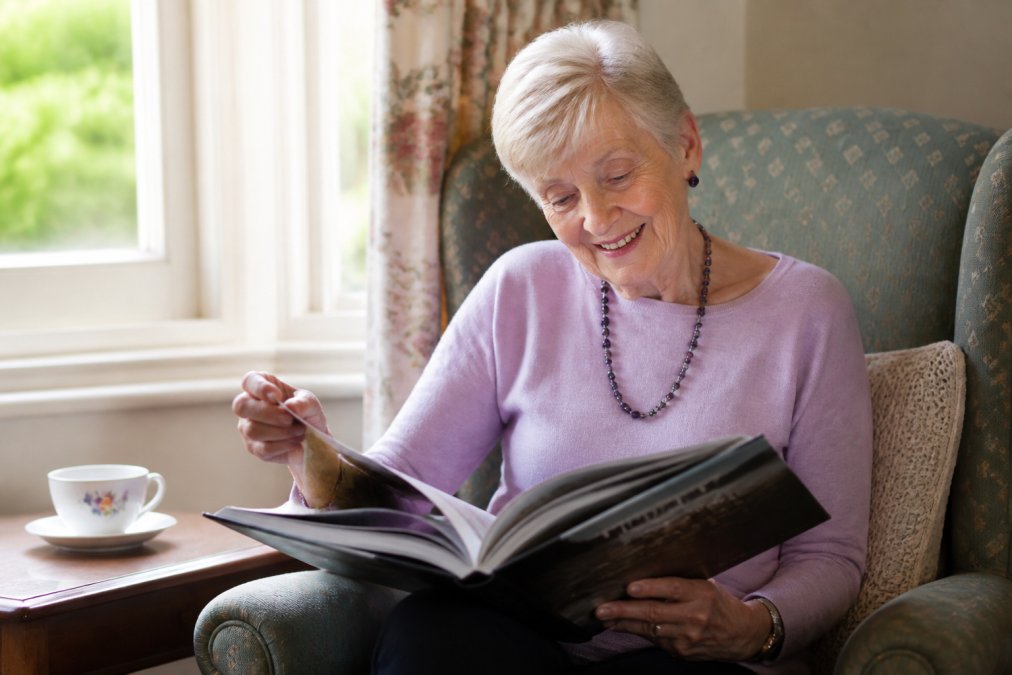
Carers in aged care and people working with dementia patients have told us these books help spark conversation. Large photographs with short captions let someone browse at their own pace: a picture of a Hills Hoist does more work than a paragraph of text.
Decade-Specific Photo Books That Spark Memories
Decade-specific photo books are the most reliable format for memory recall because they narrow the focus to the years a person actually lived through. A 1940-1980 book interests almost anyone over 60, but a 1950s volume interests someone who was there.
| Decade | Title | Pages | Price |
|---|---|---|---|
| 1940s | Photos and Memories of Australia from the 1940s | Paperback | $29.99 |
| 1950s | Photos and Memories of Australia from the 1950s | 208 | $29.99 |
| 1960s | Photos and Memories of Australia from the 1960s | 181 | $29.99 |
| 1970s | Photos and Memories of Australia from the 1970s | Paperback | $29.99 |
Matching the Book to the Recipient's Formative Years
The rule of thumb: match the decade to when the recipient was roughly aged 8 to 18, the years people remember in most detail. If unsure, ask a sibling or old friend what the person talks about most.

Best Birthday Gifts for Elderly Relatives
The best birthday gifts for elderly relatives respect how they already spend their time. Most people in their 70s and 80s read, look at photographs, and enjoy talking about the past, a book fits all three. Selecting a volume that bridges these personal histories with the present moment transforms a simple gesture into a meaningful gift guide for honoring a lifetime of memories.
Practical criteria that matter more than novelty:
- Readable in short sessions. Large photos and brief captions beat dense text.
- No setup required. No batteries, no app, no instructions.
- Shareable. Something a visitor can pick up and ask about.
- Durable. A book that survives being passed around the family.
Australian Car Books and Niche Nostalgia for Hobbyists
Car books are the strongest niche option in the nostalgia category, because car enthusiasm in Australia runs deep. The Passion for Utes: An Australian Obsession by Joel Wakely traces the story from home-built vehicles in the 1910s and 1920s through Ford's first true ute in the 1930s and the first all-Australian Holden ute in the early 1950s.
Budget-Tiered Iconic Australian Gift Ideas
Under $35
- Photos and Memories of Australia from the 1940s, 1950s, 1960s or 1970s at $29.99 each
- Growing up in Adelaide in the 1950s at $29.99
- Adelaide Remember When: The Boomer Stories at $29.99
$35 to $40
- Australia Remember When at $34.99
- Melbourne Remember When (author signed) at $34.99
- Remember When...Snapshots of Australia at $39.99
- The Passion for Utes at $39.99
For a colleague or casual acquaintance, a single decade volume is the safer choice; save multi-book sets for family.
How to Tell an Authentic Australian Gift from an Import
Price alone won't tell you whether a gift is genuinely Australian. A few checks help:
- Look for the Australian Made logo. The green and gold kangaroo logo is administered under the Australian Made, Australian Grown certification scheme, signalling the product meets Australian content rules (About the logo).
- Check the country of origin statement. Australian Consumer Law requires businesses to state where a product was made or grown. 'Made in Australia' and 'Product of Australia' differ.
- Read the fine print on 'designed in'. 'Designed in Australia' is not the same as 'made in Australia'. Vague wording usually means manufacturing happened elsewhere.
- For books, check the publisher and author. An Australian author writing about Australian history or culture is a stronger signal than a generic title with an Australian cover.
- Be wary of souvenir-shop pricing. Very cheap 'Australian' items are often imported and rebadged. A $10 boomerang with a sticker is not the same as a locally published nostalgia book.
Sustainability and Local Sourcing
If sustainability matters, ask a few questions before you buy:
Book; Australia Remember When. Bob Byrne →
- Where was it printed? Australian-printed books support local industry and usually travel shorter distances to reach you.
- What's it made from? Recycled or responsibly sourced paper is increasingly common, and some publishers state it on the imprint page.
- Is it built to last? A well-bound book that stays on a shelf for decades is more sustainable than a novelty item that breaks or gets discarded.
- Can it be passed on? Nostalgia books are often handed down through families, extending their useful life well beyond a single recipient.
Matching the Tier to the Occasion
A rough guide:
- Under $35: casual birthdays, thank-you gifts, secret Santa, or a small add-on.
- $35 to $40: milestone birthdays, Mother's Day or Father's Day, and close family.
- Multiple titles: significant milestones such as a 70th or 80th birthday, or a combined family gift.
If unsure, a single decade volume matched to the recipient's formative years is the safest choice at any budget.
Shipping, Packaging and Gift-Ready Delivery
Delivery speed and packaging condition are what buyers ask about most, and both matter more when the item is signed, a bent corner on a signed copy is a bigger problem than on a standard one.
A few practical points before you order:
- Order early for signed copies. Signed stock is limited, so last-minute orders carry more risk.
- Check stock status. Some titles sell out and restock, so confirm availability before promising a delivery date.
- Ask about gift messaging. If sending directly to the recipient, a note in the parcel saves you repackaging it yourself.
- For bulk orders, ask first. Aged care facilities ordering multiple copies should contact the shop directly.
Sending an Iconic Gift Overseas
If the recipient lives outside Australia, the logistics decide whether the gift arrives intact, or at all. Plan for:
- Customs declarations. Every parcel leaving Australia needs a declaration. Books are generally straightforward, but state contents and value accurately, under-declaring to save duty risks a held parcel.
- Weight and size limits. A single book fits standard international letter or small-parcel limits, but multi-book sets push you into parcel rates priced by weight and destination zone. Weigh the set before estimating shipping.
- Destination rules. Some countries restrict or tax printed materials differently, and a few have import thresholds below the value of a signed hardcover. Check the destination's rules before promising a date.
- Tracking and insurance. For a signed copy, tracked shipping is worth the extra cost, if the parcel is lost, an untracked book is simply gone.
- Time buffers. International delivery windows are estimates, not guarantees. Add at least two extra weeks for a birthday or Christmas deadline, and more before December.
Packaging a Signed Copy
If sending directly to the recipient, ask the shop to include a gift note, it saves repackaging and keeps the signed copy untouched until opened.
Domestic Delivery Expectations
Within Australia, standard parcel post usually arrives in a few business days, with regional areas taking longer. Express shortens that window but doesn't guarantee a specific day. For bulk orders to aged care facilities, contact the shop directly, multiple copies to one address avoid duplicate shipping charges.
Conclusion
Finding a gift that means something to someone who has lived a long life is harder than it looks. Generic presents miss the point; the things people treasure are tied to a specific time and place.

Frequently Asked Questions
What makes a gift truly iconic in an Australian context?
An iconic Australian gift connects the recipient to shared cultural memory: the milkman's horse and cart, the Hills Hoist, decimal currency, or a first Holden. It carries a story the person already owns. Signed nostalgia books work because they turn that shared history into something tactile and personal, with photographs and recollections that prompt conversation rather than sitting silently on a shelf.
Why are signed nostalgia books popular for milestone birthdays?
A 70th, 80th or 90th birthday often marks a point where experiences matter more than objects. A signed nostalgia book gives the recipient something tied to their own formative decades. Bob Byrne's Photos and Memories series covers the 1940s through the 1970s individually, so you can match the book to the years the person actually remembers, and an author-signed copy adds a collectable quality that a standard retail edition does not have.
How do I choose a meaningful gift for an elderly relative?
Start with the decade they were born or grew up in. Someone born in 1945 will connect most strongly with the 1950s and 1960s titles; someone born in 1962 will lean toward the 1970s. Consider their interests too. A car enthusiast might prefer The Passion for Utes, while a reader who grew up in a specific city may respond to a regional title. The goal is recognition: the moment they see a photograph and say 'I remember that'.
Are these books suitable for someone living with dementia?
Carers in aged care and people working with dementia patients have reported that the Remember When books help prompt conversation and engagement during reminiscence sessions. The format is deliberately visual, with large photographs and short captions, so it does not demand sustained reading. That said, every person responds differently. The books work best as a shared activity rather than something handed over to be used alone.