

Building a Personal Library of Signed Classic Novels
Table of Contents
- Define Your Collection Scope and Purpose
- How to Verify Book Signatures and Authenticity
- Where to Buy Signed Classic Novels
- Best Practices for Book Preservation and Care
- Organising Your Collection by Theme and Genre
- Curation Over Accumulation: Building Intentionally
- Cataloguing and Digital Inventory Management
- Investment Value Versus Sentimental Significance
- Frequently Asked Questions
Last Updated: October 2, 2026
Define Your Collection Scope and Purpose
Before buying signed classic novels, decide your collecting focus. Are you pursuing first editions? Novels signed by authors you've met? A specific era, genre, or author's complete works?
A focused collection of 20 signed classic novels you genuinely love beats 200 random books gathering dust. Consider your space, budget, and reading habits. A retired teacher might focus on Victorian literature; a history enthusiast on Australian authors from the 1950s-1980s era.
How to Verify Book Signatures and Authenticity
A signed copy commands higher value only if genuine. Forged signatures, printed signatures masquerading as handwritten, and facsimiles are sold as originals. Verifying authenticity protects your investment.
Checking Provenance and Documentation
Provenance is your first line of defence. Ask the seller: Did they acquire it directly from the author, from an estate sale, or from another collector? How long have they held it?
Real documentation matters.
Specialist retailers like Remember When Shop, which curates signed Australian nostalgia books provide detailed provenance for author-signed copies. They work directly with authors and estate holders, so you know the signature's origin. Ask sellers directly: Can they name the person who obtained the book from the author? Can they provide dates? Vague answers are a red flag.

If buying online, request multiple angles of the signature and photos of the title page, copyright page, and any inscription before committing.
Understanding Signature Variations and Identifying Forgeries
Authors' signatures change over time, a 1965 signature looks different from a 1995 one.
Study known authentic signatures in libraries and museums. Compare letter formation, pressure, angle, and flow. Ask: Is the signature fluid or laboured?
Printed signatures are legitimate but worth less, a handwritten signature typically commands 3-5 times the price. Always confirm whether a signature is handwritten or printed before purchasing.
When to Seek Professional Authentication
For high-value acquisitions, consider professional authentication. Appraisers examine paper, ink, binding, and signature under magnification and identify anachronisms.
A professional report supports insurance claims and future resale.
Red flags: suspiciously perfect signatures, no chain of custody, signatures dated to first edition but on later printings, signs of artificial aging, or unusually low prices.
Where to Buy Signed Classic Novels
Signed classic novels live in specialised spaces where dealers work with authors and estates. Each channel has different advantages, risks, and price points.
Independent Bookstores and Specialised Retailers
Independent bookstores build relationships with authors and can tell you when and how each book was signed. This personal knowledge is invaluable.
Specialised retailers focus on signed books and curate carefully. They're your best bet for verification and fair pricing.
Remember When Shop specialises in Australian nostalgia books, many personally signed by authors, with strong customer reviews for reliability.
When evaluating a retailer, ask: How long in business? Do they provide written provenance? What's their return policy?
Online Marketplaces and Auction Sites
Online platforms like AbeBooks, Biblio, and ViaLibri expand your options, but you're buying remotely without seeing the book in person.
Buy only from sellers with 95%+ positive feedback and 100+ sales. Request detailed photographs before purchasing.
Auction sites like eBay can yield bargains but are riskier, sellers may not be specialists and signatures may be unverified.
Direct from Publishers and Author Events
Publishers and literary festivals sell signed copies directly. Author events offer chances to buy straight from the source and meet the author.
These opportunities are rare but worth pursuing. Books signed at events avoid middleman markups and are typically priced at or near retail.
Subscribe to publisher newsletters and follow authors on social media to catch signing announcements.
Estate Sales and Auction Houses
Estate sales and auction houses occasionally yield signed classics at lower prices than specialist dealers charge.
The disadvantage: provenance is often unclear and you're competing with bidders. Attend viewings in person and ask the auctioneer about the collection's origin.
Evaluating Price and Value
Signed classic novels vary wildly in price depending on rarity, author fame, condition, and edition.
Before buying, research comparable sales. Check what similar books (same title, same edition, similar condition) have sold for on AbeBooks, Biblio, and auction results.
Don't confuse price with value. A book from a reputable dealer with full provenance is better value than a book from an unknown seller with no documentation.
Book; Melbourne Remember When. Bob Byrne. (Author signed copy). →
Best Practices for Book Preservation and Care
A signed classic novel is fragile. Paper yellows. Leather cracks. Dust jackets tear. Signatures fade. Proper storage and handling extend the life of your collection by decades.
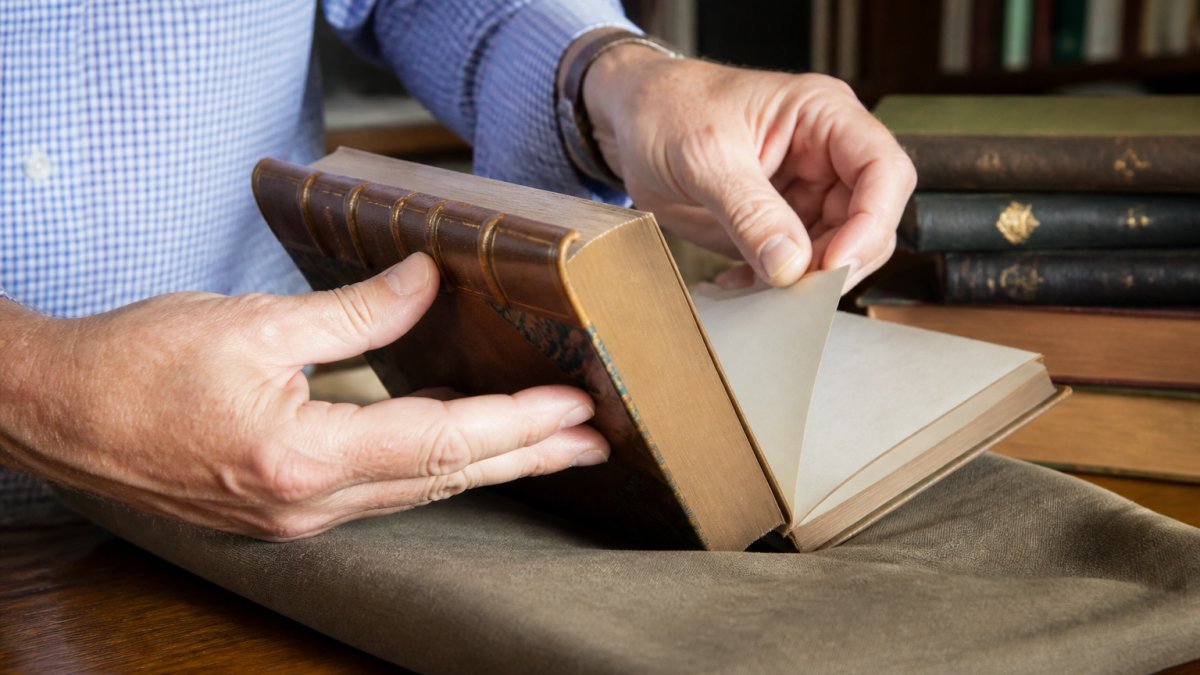
Climate Control and Archival Storage
Temperature and humidity are your collection's enemies. Fluctuations cause paper to expand and contract. Moisture encourages mould. Heat accelerates aging.
Keep your collection in a cool, dry place. Ideally between 15-21°C with humidity around 30-40%. Avoid basements (damp), attics (heat), and bathrooms (moisture).
Store books upright on shelves, not stacked flat. Stacking crushes spines. Use bookends to prevent leaning.
Archival boxes and acid-free tissue protect valuable copies. Acid in regular paper and cardboard yellows books over time (The Deterioration and Preservation of Paper: Some Essential Facts - Collections Care). Archival supplies cost more but preserve your collection for generations.
Protecting Dust Jackets and Spine Integrity
Dust jackets are the most vulnerable part of a signed book. They're thin, exposed, and irreplaceable. Protect them with acid-free jackets or mylar sleeves.
Handle books by the spine only when absolutely necessary. Open books gently. Never crack the spine flat. Never dog-ear pages. Never write in signed copies. These habits feel small until you're staring at permanent damage.
Organising Your Collection by Theme and Genre
Organisation serves two purposes: it helps you find books when you want them, and it makes your collection visually coherent.
Many collectors arrange by author's last name alphabetically. This works. It's predictable.
Consider organising by:
- Genre: Literary fiction, mystery, romance, poetry
- Era: Victorian, Edwardian, mid-20th century
- Theme: Books about love, loss, identity, place
- Author nationality: Australian classics, British classics, American classics
Thematic arrangement tells a story. A shelf of books about home and belonging reads differently than a random alphabetical run.
Use bookplates to mark your ownership.
Curation Over Accumulation: Building Intentionally
The temptation is to buy every signed classic novel you find. Resist it. A small, intentional collection beats a large, scattered one.
Curation means making choices. It means saying no to books that don't fit your scope.
A collection of 30 signed classic novels you've read and loved matters more than 300 books you've never opened.
Cataloguing and Digital Inventory Management
As your collection grows, tracking it becomes important. You need to know what you own, where it is, and its condition.
Create a simple spreadsheet with these columns:
| Field | Purpose | Example |
|---|---|---|
| Title | Book name | Jane Eyre |
| Author | Author's name | Charlotte Brontë |
| Year Published | Original publication | 1847 |
| Signature | Handwritten or printed | Handwritten |
| Condition | Overall state | Fine |
| Location | Where it's stored | Bedroom shelf, top |
| Notes | Any special details | First edition, 1960s signature |
Photograph each book's cover and signature. Store photos with your spreadsheet. This creates a visual record and helps with insurance claims if anything happens.
Many collectors use apps designed for book tracking. These sync across devices and let you search your collection instantly.
Investment Value Versus Sentimental Significance
Some signed classic novels appreciate in value. Others don't. Understanding the difference changes how you collect.
Investment value depends on rarity, author fame, condition, and market demand.
Sentimental value is personal.
The best collections blend both. You collect books you genuinely love, which happen to hold value.
Building a personal library of signed classic novels is a slow, intentional process.
At Remember When Shop, we understand that signed books carry memory and meaning. Our curated collection of Australian nostalgia titles, many personally signed by authors, helps collectors reconnect with the past through authentic, carefully sourced volumes. Whether you're building a collection for yourself or finding a meaningful gift, our team stands behind every book's provenance and condition. Shop our signed Australian classic collection and discover books that matter.
Frequently Asked Questions
How do you verify the authenticity of a signed classic novel?
Authentic signatures should match the author's known handwriting from documented examples. Request provenance documentation, including purchase history or certificates of authenticity. Check for inconsistencies in pen pressure, letter formation, or ink type that might suggest forgery. Reputable dealers like Remember When Shop provide signed copies with clear documentation. Compare the signature against multiple verified examples and consult catalogues of known signatures for the author.
What is the best way to store and preserve signed books?
Store signed books upright on shelves or lying flat in archival boxes, away from direct sunlight, heat, and moisture. Maintain stable temperature and humidity levels between 16-21°C and 30-40% humidity to prevent warping and mould. Use acid-free bookmarks and avoid dog-earing pages. Wear cotton gloves when handling valuable signed editions. Keep dust jackets on to protect the cover and spine integrity, and store in a cool, dark location away from kitchens and bathrooms where moisture and temperature fluctuate.
Where can I find signed editions of classic Australian literature?
Specialised retailers like Remember When Shop curate signed copies of classic Australian novels, including author-signed editions such as Melbourne Remember When by Bob Byrne (available at $34.99). Independent bookstores often stock signed classics and can order them on request. Author events, book festivals, and literary heritage venues occasionally offer signed copies. Online platforms dedicated to rare and signed books provide authentication guarantees. Always verify provenance and purchase from reputable dealers to ensure legitimacy.
How does a signature affect the value of a classic novel?
A genuine author signature typically increases a classic novel's value significantly, sometimes by 50-200% depending on the author's prominence and the book's rarity. First editions signed by the author command premium prices among collectors. However, sentimental value often exceeds monetary worth for personal libraries, a signed copy becomes a cherished keepsake and conversation piece. Investment-focused collectors prioritise first editions with dust jackets in excellent condition. For most readers building a personal collection, the emotional connection and authenticity matter more than resale value.