
7 Truths About the Environmental Impact of Buying Used Books
Last Updated: October 29, 2026
Quick Summary
Buying used books avoids the production footprint of a new copy, since no fresh paper, print run or manufacturing energy is needed. The saving is real but conditional: a used book only wins if it is read, kept and passed on, and long-distance shipping can erase the benefit.
- The first reuse of a book is the most valuable because it avoids an entire new print run.
- A used book shipped far can lose its edge when delivery emissions exceed the production footprint avoided.
- Buying in batches cuts transport and packaging per book compared with separate deliveries.
- Borrowing from a library shares one copy across many readers, the lowest per-reader impact for print.
- Buy for condition, since a well-kept hardback that lasts decades earns back its production cost.
Table of Contents
- Why the Environmental Impact of Buying Used Books Deserves a Closer Look
- The Carbon Footprint of Book Publishing, From Pulp to Print Run
- New Books vs Used Books Environmental Impact: What the Numbers Actually Show
- How Many Times Must a Book Be Reused Before It Pays Off?
- Online Book Shopping Carbon Footprint: Shipping, Packaging and Distance
- Print, E-Books and E-Readers: Which Reading Format Adds Up?
- Sustainable Reading Habits That Actually Move the Needle
- Choosing Second-Hand Books That Last a Lifetime
- Frequently Asked Questions
Why the Environmental Impact of Buying Used Books Deserves a Closer Look
Buying a second-hand book feels virtuous, and it usually is. But the environmental impact of buying used books is more layered than the simple story we tell ourselves at the op shop counter. The production of new books consumes paper, water and energy before a single copy reaches a shelf, so every book that stays in circulation avoids some of that cost.
Here is the catch most guides skip: a used book is only a win if someone actually reads it, keeps it, and passes it on. A shelf ornament bought on impulse and binned two years later offsets nothing.
Below, we walk through the real numbers behind publishing, shipping and digital reading, and show you where your choices genuinely reduce impact.
The Carbon Footprint of Book Publishing, From Pulp to Print Run
The carbon footprint of book publishing starts in the forest and ends at the reader's door. Paper production is the heaviest single input: felling and hauling trees, pulping them with heat and chemicals, then drying the sheets. Printing adds electricity and ink, and binding adds glue and board.
Fresh-fibre paper carries the largest burden because it draws directly on forests. Recycled paper reduces the pressure on standing timber, though it still needs energy to de-ink and reprocess. Distribution then adds transport emissions, and unsold stock adds waste when retailers return copies for pulping.
What does this mean for a reader? Treat the production stage as a fixed cost already paid. Your use sits in what happens after printing: how long the book is used, how far it travels, and whether it is eventually recycled rather than landfilled.
New Books vs Used Books Environmental Impact: What the Numbers Actually Show
The new books vs used books environmental impact comparison comes down to one principle: a used book inherits the emissions already spent on it and adds almost nothing new. No fresh paper, no new print run, no additional manufacturing energy. The saving is real, but it is a saving on production, not a guarantee of zero impact.
Three honest caveats matter here.
- Condition and lifespan. A crumbling paperback that falls apart after one read wastes the embedded energy. A well-kept hardback that lasts decades earns it back.
- Distance. A used book shipped across the country can carry more transport emissions than a new book bought locally.
- Demand effects. If buying second-hand simply prompts you to buy more books overall, the net saving shrinks.
Readers weighing the long-term value of older editions may find it useful to understand the benefits of investing in signed vintage literature, where durability and provenance often justify the purchase.
How Many Times Must a Book Be Reused Before It Pays Off?
Most guides say 'reuse is good' and stop there. The more useful question is: how many extra readers does a book need before the reuse benefit outweighs the alternatives?
The principle is straightforward. A new book carries a fixed production footprint, paper, ink, binding, printing energy and the transport that delivered it to the first buyer. That cost is paid once, at manufacture.
Here is a practical way to think about it, using relative units rather than invented figures:
| Scenario | Production cost borne per reader | Marginal cost per reader | Practical meaning |
|---|---|---|---|
| New copy, read once, then shelved | Full | Delivery and disposal | Highest per-reader impact |
| New copy passed to one friend | Half | One local handover | Strong saving |
| Bought second-hand, read once | Zero new production | Seller-to-buyer delivery | Saving depends on distance |
| Donated, resold, read three or more times | Spread across three or more | Local handovers | Best outcome |
| Borrowed from a library | Shared across many borrowers | Borrower's travel to the library | Lowest per-reader impact for print |
The break-even point is not a single number, because it depends on the counterfactual.
A common pattern practitioners describe is that the first reuse is the most valuable, because it avoids an entire new print run. The second and third reuses still help, but the marginal gain shrinks as the fixed production cost is spread thinner.
That leads to a practical rule: keep the book moving, and keep the handovers local. Lending to a friend, donating to an op shop, reselling through a local exchange or swapping at a community book event all add readers without adding new production.
The caveat is condition. Prioritizing longevity in our personal libraries mirrors the broader necessity of moving away from the disposable culture that drives the environmental cost of fashion.
If you are building a collection from scratch, our guide on how to start a vintage book collection covers where to source copies that hold their value and stay in circulation.
Online Book Shopping Carbon Footprint: Shipping, Packaging and Distance
Online book shopping carbon footprint is dominated by the last mile, not the printing press. A parcel travels by air, road and van, often through several depots, and each leg adds emissions. Air freight is the worst offender per kilometre; consolidated ground transport is far lighter.
The key variables are distance, mode, consolidation and packaging. Distance is obvious: a second-hand copy from a nearby seller outperforms a new copy flown in from overseas. Mode matters because air freight emits far more per tonne-kilometre than road or rail, so express air options add emissions for speed you rarely need.
Here is how to cut the shipping penalty:
- Buy in batches. One delivery of five books beats five separate deliveries, cutting both transport and packaging per book.
- Choose standard ground delivery. Express air options add emissions for speed you rarely need.
- Buy locally where possible. A second-hand copy from a nearby seller outperforms a new copy flown in.
- Check packaging. Paper mailers and recycled board are the better choice; avoid plastic film where a paper alternative exists.
- Combine with other errands. If you can collect from a local seller or op shop, the last mile may be a trip you were already making.
Watch out for the offset trap. A cheap used book shipped from far away can lose its environmental edge entirely. The reuse benefit is real, but it is a saved production footprint, not a guarantee of zero impact.
A useful way to think about it is a simple comparison. Buying a used book locally avoids new production and adds only a short delivery. Buying a used book from far away avoids new production but adds a long delivery, possibly by air.
For readers who want to go further, the same logic applies to bulk purchases for libraries, reading groups and gifts. Ordering multiple copies in one delivery reduces packaging and transport per book, and sourcing them second-hand where possible avoids new production altogether.
Print, E-Books and E-Readers: Which Reading Format Adds Up?
Print books carry a one-time production cost, while e-readers carry a manufacturing cost that must be repaid through many books. A dedicated e-reader uses rare minerals, plastics and energy in manufacture, then electricity with every charge.
The crossover depends on volume. A reader who finishes only a handful of books a year rarely justifies a new device on environmental grounds. A heavy reader who would otherwise buy dozens of new print books each year can come out ahead, especially if the device is kept for years rather than replaced on a cycle.
Digital reading also carries hidden costs: data centres, server cooling and screen electricity. It is not weightless.
For most readers, second-hand print is the lowest-impact option, because it reuses a book that already exists. E-readers make sense for heavy readers who travel and would otherwise buy new.
Sustainable Reading Habits That Actually Move the Needle
Sustainable reading habits are less about sacrifice and more about keeping books in use. The changes that matter are structural, not symbolic.
- Buy second-hand first. Check op shops, charity sales and local exchanges before ordering new.
- Use the library. Borrowing shares one copy across many readers, the most efficient model available.
- Pass books on. Donate, swap or resell once you have finished.
- Repair what you keep. A little bookbinding tape extends a hardback's life by years.
- Recycle properly. Paperback spines often need de-binding; check your local council's guidance before binning.
- Buy in bulk when gifting. Multiple copies in one delivery cut packaging and transport per book.
For anyone curious about how publishing's raw materials are sourced, the Forest Stewardship Council's certification standards explain how responsibly harvested paper is verified, and the Australian Government's recycling guidance sets out what belongs in kerbside collection. The Book Industry Environmental Council also tracks sustainability work across the trade.
Choosing Second-Hand Books That Last a Lifetime
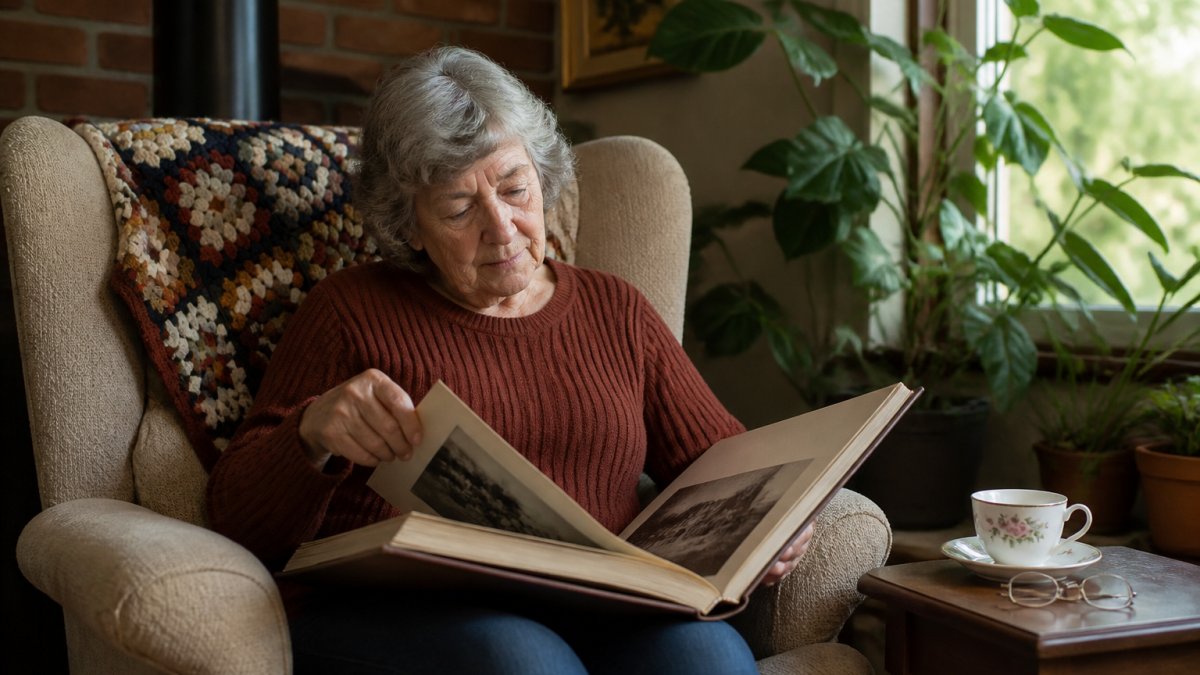
Durability is the quiet hero of this whole discussion. A second-hand book that lasts thirty years is a far better environmental outcome than three cheap copies that fall apart. So buy for condition, not just price.
Check the binding: open it flat and look for loose signatures or cracked hinges. Feel the paper: acid-heavy pulp yellows and crumbles, while better stock holds. Look for foxing and damp damage, which spreads. Signed copies need provenance checks, and our guide on authentic author signatures on vintage books explains what to look for. Building a lasting shelf of collectible classics is easier with a personal library of signed classic novels as your reference.
Frequently Asked Questions
Are used books better for the environment than new books?
In most cases, yes. A second-hand book needs no new paper, ink, printing or binding, so the emissions and resources already spent on it are shared across every reader who uses it. Buying used also keeps a book out of landfill and reduces demand for fresh-fibre paper. The advantage shrinks if the book is shipped a long distance in heavy packaging, so local second-hand sources and combined orders give the clearest benefit.
How does buying a second-hand book reduce environmental impact?
Every used book purchased is one fewer new copy printed, which avoids paper production, water use, energy consumption and the transport involved in getting a new title to a shop. It also extends the product lifespan of a book that might otherwise be discarded. The longer a book stays in circulation, whether through resale, donation or a library, the more its original manufacturing footprint is spread across readers.
Is buying books online worse for the environment than shopping in person?
It depends on how the order is delivered. A single online purchase shipped in its own box can carry more packaging and last-mile transport than a book bought during a trip you were already making. Combining several books into one order, choosing slower consolidated delivery and avoiding express shipping all reduce the online book shopping carbon footprint. Buying second-hand online still avoids new production, which is usually the larger share of a book's impact.
What is the carbon footprint of producing a new book?
A new book carries emissions from growing and harvesting trees, making paper, printing, binding and distributing the finished copy. Estimates vary widely because paper type, print run size and transport distance all change the result, and much of the published data is uncertain. That uncertainty is why the most reliable environmental choice is usually to keep existing books in use for as long as possible rather than chase a precise kilogram figure.
The greenest book is the one already on a shelf, waiting for its next reader. If you want a book that earns its place and gets opened for years, browse our collection of Australian nostalgia titles, many signed by the author, and choose a keepsake built to last. Get started with Remember When Shop and give a gift that keeps its value, on the shelf and in memory.
