
Australian History Book Clubs for Enthusiasts
Last Updated: October 23, 2026
Quick Summary
Australian history book clubs create space for meaningful conversation about the past by transforming solitary reading into shared discovery. These clubs, found through local libraries, online communities, independent bookshops, or started independently, connect enthusiasts around shared stories and historical periods.
- Monthly meetings are standard, with groups typically ranging from 4-8 people meeting in person or online
- Books with personal stories, photographs, and decade-specific focus work best for group discussion rather than dense academic texts
- Observation-based and open-ended questions spark better conversations than yes-or-no questions
- Local libraries, Facebook groups, independent bookshops, and university extension programs all host or support Australian history book clubs
- Photos and Memories books cost $29.99 per decade, while comprehensive overviews like Australia Remember When cost $34.99
Table of Contents
- Why Australian History Book Clubs Matter to Enthusiasts
- Finding and Joining Australian History Book Groups
- Building an Australian Reading List
- How to Start a Book Club Focused on Australian History
- History Books for Book Clubs: What Works Best
- Crafting Meaningful Book Club Discussion Questions
- Online and In-Person Participation in Reader Communities
- Frequently Asked Questions
Why Australian History Book Clubs Matter to Enthusiasts
Australian history enthusiasts often find themselves hungry for deeper conversations about the past. A book club focused on Australian history transforms solitary reading into shared discovery. When you gather with others who care about the same era, the same events, or the same stories, something shifts. Memories surface. Questions get answered. New perspectives emerge that you wouldn't have found alone.
This is where Australian history book clubs become invaluable. They're not just about finishing a book each month, they're about building community around a shared thirst for knowledge. Whether you're reconnecting with the 1950s, exploring the Whitlam years, or understanding how your grandparents lived through wartime, a book club gives your reading purpose and direction.
At Remember When Shop, we know how the right book can spark conversations that last for years. Our books are designed to help readers engage with Australian history, moving from passive reading to active discussion and fostering a sense of community around shared stories.
Finding and Joining Australian History Book Groups
The easiest path to joining an Australian history book club is to check your local library or community centre. Most libraries host regular book groups, and many have themes focused on local or national history.
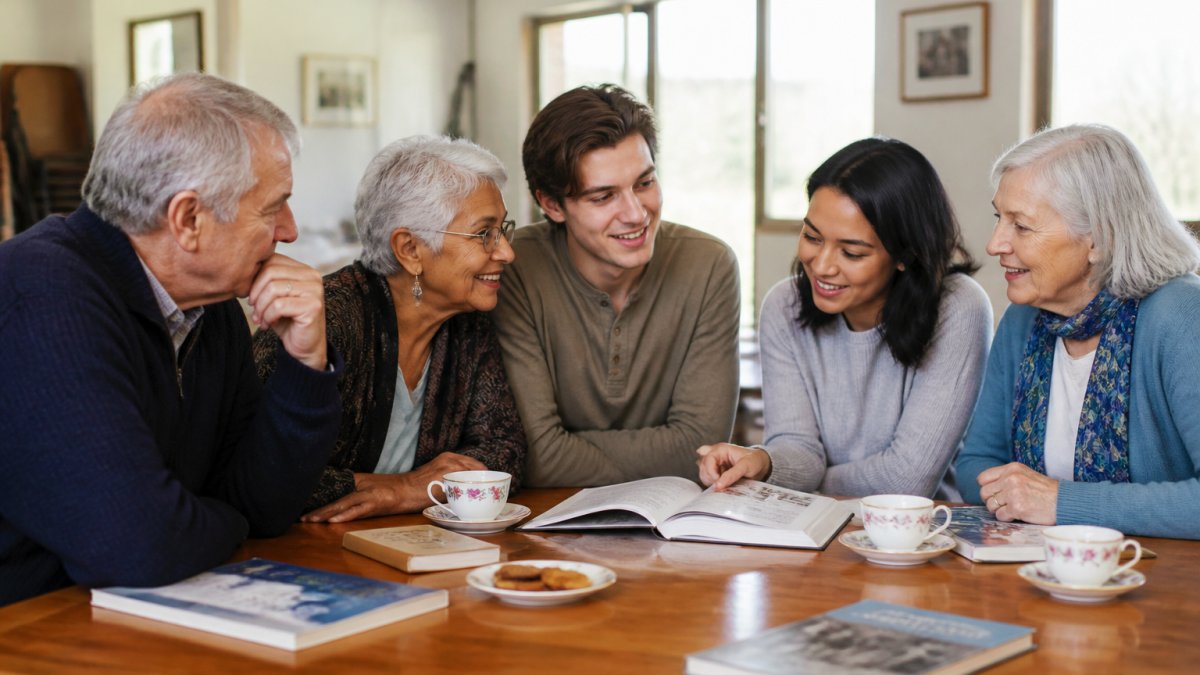
Online communities have expanded options significantly. Facebook groups dedicated to Australian history attract thousands of members who discuss books, share memories, and organise virtual meetings.
Independent bookshops in your area sometimes host their own reading groups. These tend to be smaller, more intimate gatherings where you'll develop real relationships with other readers. The bookshop staff often have strong recommendations and may even arrange author events or signings.
University extension programs and community colleges occasionally offer structured book club courses focused on Australian history. These are ideal if you want guided discussion led by someone with historical expertise. The commitment is usually higher (a semester or term), but so is the depth of conversation.
Building an Australian Reading List
A strong Australian history reading list starts with your own interests. Are you drawn to a specific decade? A particular region? Social history versus political events? Your answers shape which books matter most.
Decade-specific histories offer a focused entry point. Books like Photos and Memories of Australia from the 1950s by Bob Byrne capture everyday life during transformative years, from the end of wartime rationing to the arrival of television. These aren't dry textbooks.

For those interested in specific cities or regions, local history books provide context and stories you won't find in national surveys. Growing up in Adelaide in the 1950s by Susan Blackburn, for example, collects personal reminiscences from people who lived through that era in one place.
| Reading Focus | Best For | Example from Remember When Shop |
|---|---|---|
| 1950s nostalgia | Baby Boomers reconnecting with childhood | Photos and Memories 1950s ($29.99) |
| 1960s cultural change | Understanding social transformation | Photos and Memories 1960s ($29.99) |
| 1970s turbulence | Exploring political and cultural drama | Photos and Memories 1970s ($29.99) |
| 1940s wartime | Understanding sacrifice and resilience | Photos and Memories 1940s ($29.99) |
| Local/regional history | Specific city or state stories | Growing up in Adelaide 1950s ($29.99) |
| Comprehensive overview | Multi-decade journey | Australia Remember When ($34.99) |
National overviews like Australia Remember When by Bob Byrne work well as anchor texts for a club.

How to Start a Book Club Focused on Australian History
Starting a book club takes less effort than most people think. Begin by identifying your core group, three to five people who share your enthusiasm for Australian history. These might be friends, neighbours, or people you meet through existing community groups.
Choose a meeting format that works for your group. Monthly meetings are standard, but some clubs meet fortnightly or quarterly depending on how much reading they want to tackle. Decide whether you'll meet in person or online. In-person meetings build stronger connections; online meetings offer flexibility and wider geographic reach.
Select your first book carefully. Learn foundational steps for starting a book collection to build your club's library systematically. Readers who might feel intimidated by dense historical analysis feel more confident discussing what they see in photographs. You can explore curated recommendations to find titles that work well for group discussion.
Set a clear meeting structure. Most clubs spend the first 15-20 minutes socialising, then move into discussion for 60-90 minutes. Some clubs assign a discussion leader each month; others let the conversation flow more organically. Decide what works for your group before your first meeting.
Location matters. Community centres, libraries, and bookshops often provide free or low-cost meeting spaces. Some groups rotate between members' homes. The key is finding somewhere quiet enough to talk and comfortable enough to linger over tea or coffee.
History Books for Book Clubs: What Works Best
Not every history book works equally well in a group setting. The best choices spark conversation, offer multiple angles for discussion, and connect to readers' own experiences.
Books with personal stories embedded in historical context tend to work best. When readers encounter narratives about real people, their jobs, their homes, their celebrations, they naturally start sharing their own memories.
Visual richness matters more than you might expect. Explore curated recommendations of accessible Australian history books that work particularly well for group discussion.
Book; Photos and Memories of Australia from the 1950s →
Decade-specific books work better than broad surveys for club purposes. A 200-page book about the 1960s allows deeper exploration than a 500-page book trying to cover 50 years.
Photos and Memories of Australia from the 1960s exemplifies this approach. It captures extraordinary transformation, Beatlemania, decimal currency, the 1967 referendum, Vietnam, while grounding each moment in everyday life.

Books authored by people with real expertise in Australian social history are often preferred.
Crafting Meaningful Book Club Discussion Questions
The difference between a lively discussion and an awkward silence often comes down to the questions you ask. Generic questions like "What did you think?" rarely spark much conversation. Specific, open-ended questions work far better.
Start with observation-based questions that invite readers to describe what they noticed. "What surprised you most about daily life in that decade?" or "Which photograph or story stuck with you, and why?" These questions have no wrong answers. Everyone can participate.
Move toward interpretation questions that invite analysis.
Connect history to personal experience through reflection questions.
| Question Type | Purpose | Example |
|---|---|---|
| Observation | Warm up, build confidence | What details surprised you most? |
| Interpretation | Encourage analysis | Why do you think this mattered? |
| Connection | Link to personal experience | How does this match your own memories? |
| Comparison | Explore different perspectives | How was this different from what you expected? |
| Application | Make it relevant today | What does this tell us about who we are now? |
Avoid yes-or-no questions. They shut down conversation rather than opening it up. "Did you enjoy the book?" is far less useful than "What parts of the book felt most true to you?"
Prepare 5-7 questions before each meeting, but don't feel locked into them. The best discussions often emerge from unexpected directions. Your prepared questions are a safety net, not a script.
Online and In-Person Participation in Reader Communities
Both formats offer genuine value, and many clubs now blend them. In-person meetings build stronger social bonds and allow for spontaneous conversation.
In-person clubs thrive on the informal moments, the chat before the meeting starts, the tangent that leads somewhere unexpected, the shared cup of tea.
Online book clubs remove geographic barriers. Members across different states can join the same discussion. People with mobility challenges or caring responsibilities can participate from home.
The challenge with online clubs is maintaining engagement. Discussion threads can feel fragmented. Video calls work better for real-time conversation but require scheduling that suits multiple time zones.
Many online communities focused on Australian history operate through Facebook groups or dedicated forums. These spaces allow asynchronous discussion, members contribute when they have time. They're ideal for people who want to participate but can't commit to fixed meeting times.
Regardless of format, the key is consistency. Regular meetings, whether weekly, fortnightly, or monthly, build momentum and help members stay engaged. Sporadic meetings tend to fade away.
Starting or joining an Australian history book club transforms how you engage with the past. You move from passive reading to active discussion, from isolated learning to shared discovery.
Remember When Shop specialises in curated books that celebrate Australian nostalgia and history, many personally signed by their authors. Whether you're looking for decade-specific titles like Photos and Memories of Australia from the 1950s at $29.99 or comprehensive overviews like Australia Remember When at $34.99, these books are designed to spark conversation and reconnect you with meaningful periods of Australian history. Shop Now and find the perfect titles for your book club.
Frequently Asked Questions
How do you find a book club focused on Australian history?
Start by searching online for local book clubs in your area or state, checking community centre websites, library listings, and social media groups dedicated to Australian history enthusiasts. Many independent book groups advertise on Facebook or Meetup. Ask at your local library or bookshop, staff often know active reading groups. If you can't find an existing club, consider starting your own by connecting with fellow Australian history lovers online or through community notices.
What are some good history books for book clubs?
Decade-specific nostalgia books work exceptionally well for group discussion, particularly titles that blend personal memories with historical context. Books like Photos and Memories of Australia from the 1950s ($29.99) and Photos and Memories of Australia from the 1970s ($29.99) spark conversations across generations. Australia Remember When ($34.99) offers over 250 pages of photographs and stories spanning the 1940s to 1980s, ideal for group reading. Regional histories like Melbourne Remember When ($34.99) work brilliantly for geographically focused clubs. Choose books with strong visual content and personal narratives to encourage lively discussion.
What makes a good history book club discussion?
Effective discussions combine personal reflection with historical context. Prepare thoughtful questions that invite members to share their own memories alongside broader historical themes. Encourage quieter members to contribute by asking open-ended questions. Create space for disagreement, different perspectives on historical events enrich understanding. Books with photographs and personal stories naturally prompt more conversation than purely academic texts. Set a comfortable meeting pace, typically one chapter or section per session, allowing time for genuine dialogue rather than rushing through content.
How often should a book club meet?
Most successful book clubs meet monthly, allowing members time to read without overwhelming their schedules. Some groups prefer fortnightly meetings for shorter books or faster-paced reading, while others meet quarterly for deeper, longer works. The key is consistency, members need to know when to expect meetings. For Australian history enthusiasts, monthly gatherings work well, giving readers four weeks to finish a 200-250 page book at a comfortable pace while maintaining group momentum and engagement between sessions.
